Las Catalinas feature
3 Things You Didn’t Know About Las Catalinas
The design secrets, protected landscape, and social philosophy that make Costa Rica’s most unusual beach town feel so unlike the rest of the coast.

Rob Break
Helping people navigate the real journey of buying in Costa Rica.
1
Las Catalinas was designed to feel like a 100-year-old town — on purpose
Most people do not realize that Las Catalinas was intentionally designed to feel as though it had been there for generations. Its planners studied Mediterranean villages, Antigua Guatemala, old European coastal towns, and colonial Latin American architecture—not to copy one place exactly, but to recreate the feeling of a town that had accumulated naturally over time.
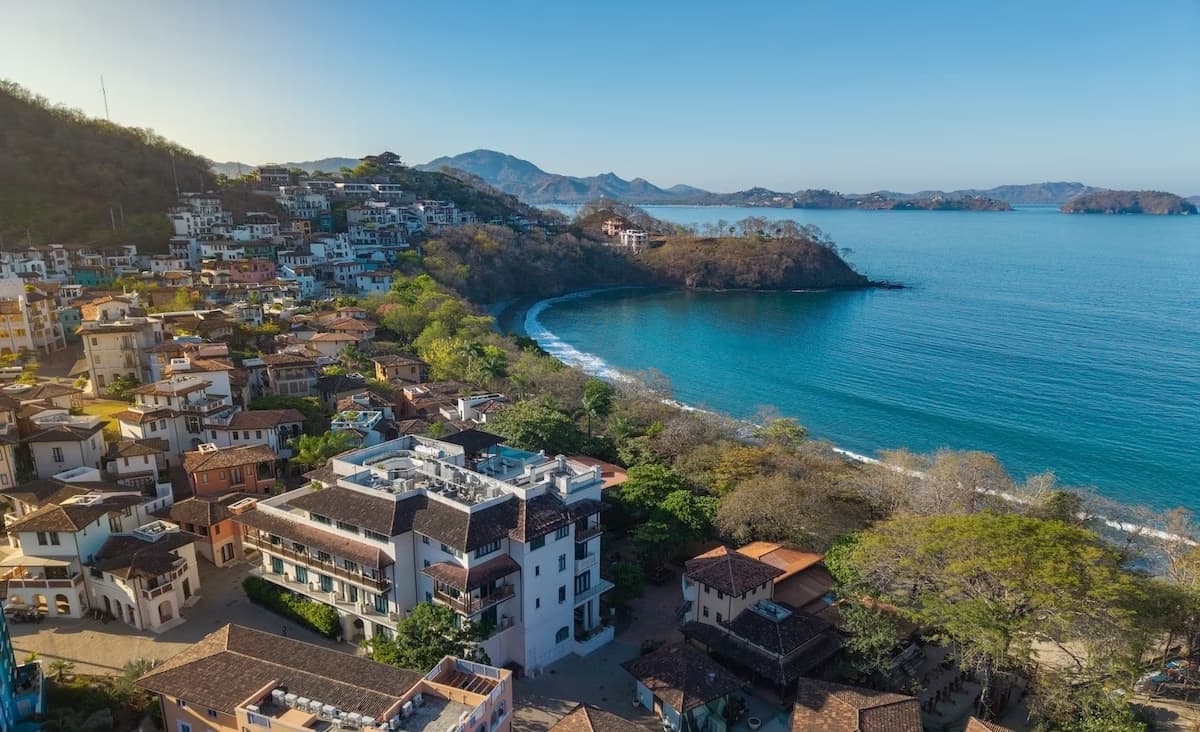
That is why the town has narrow pedestrian alleys, hidden courtyards, irregular rooflines, staircases that bend unexpectedly, and plazas that reveal themselves gradually. Even the small imperfections are part of the design language. The goal was to make the town feel human, layered, and discovered rather than sterile or obviously master-planned.
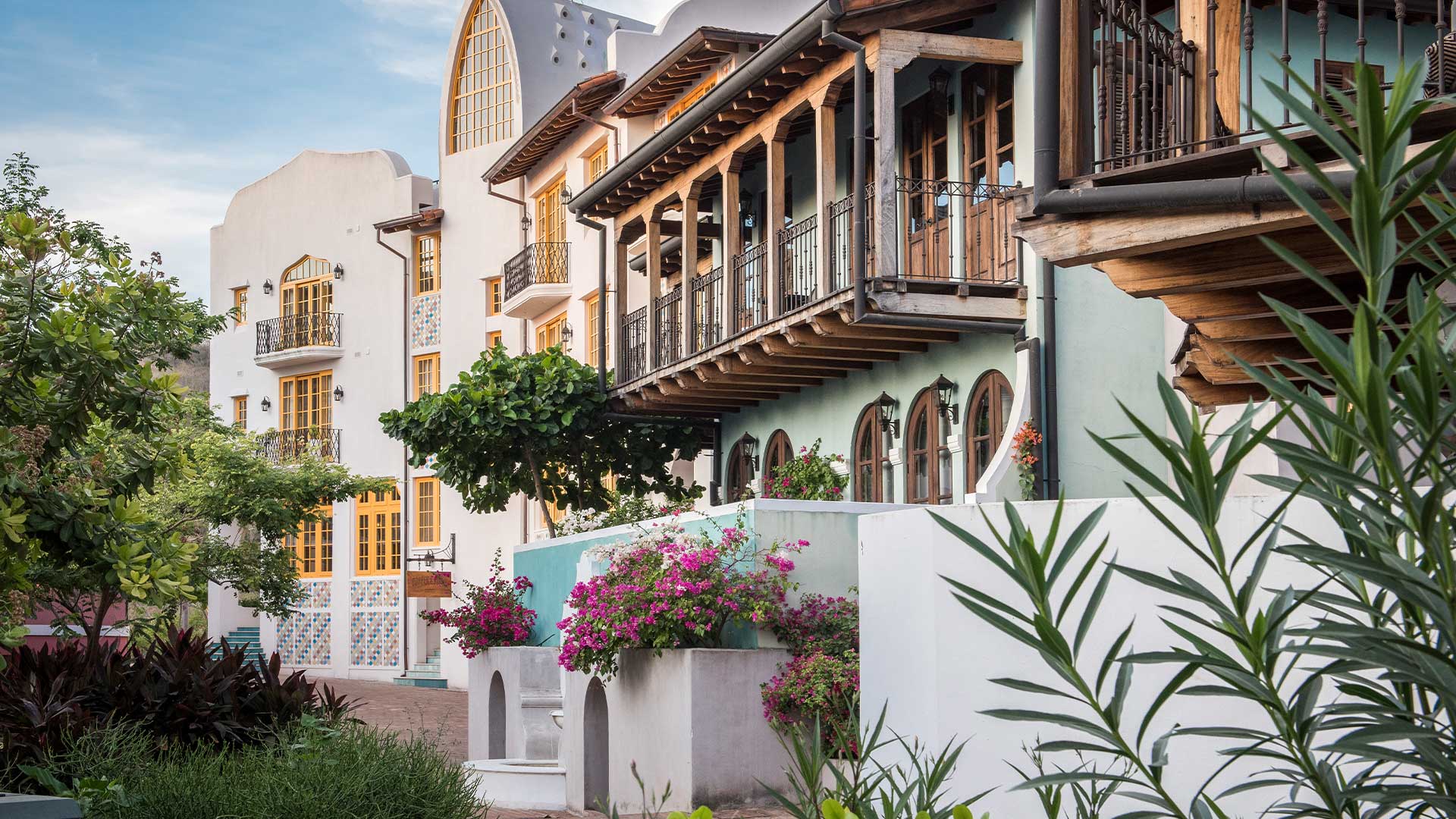
“Many modern developments are built for cars first. Las Catalinas was built around human-scale living.”
That distinction is why architects and urban planners around the world pay attention to it: the product is not only the home, but the way the town choreographs daily life.
2
Most of the land will never be developed
It is easy to assume Las Catalinas is simply another luxury beach project. In reality, a large portion of the land remains protected dry tropical forest, with hiking trails, mountain-bike routes, conservation areas, and wildlife corridors woven into the broader plan.
The development model is intentionally compact: homes are concentrated in a smaller footprint so that larger natural areas can remain intact. That helps preserve habitat for monkeys, coatis, tropical birds, deer, iguanas, and other wildlife while giving residents an unusually immediate relationship with the landscape.
3
The town was built around mental health and social connection
One of the least understood parts of Las Catalinas is that it was not designed around luxury alone. It was also built around lifestyle, social connection, and daily wellbeing. The founders and planners believed modern suburban life often produces isolation, stress, car dependence, loneliness, and less physical activity.
So the layout encourages walking, accidental conversation, outdoor activity, and routine interaction with neighbors. Streets are narrow, plazas are frequent, cafés spill into shared space, movement happens mostly on foot, and cars stay outside the town center. Many owners are buying into that philosophy as much as they are buying real estate.

Why it matters
Las Catalinas is one of the few developments in Central America where the urban-planning philosophy is part of the product itself.
That is why it attracts entrepreneurs, remote workers, retirees, wellness-focused families, and people leaving large cities in search of a different operating system for daily life.
Continue exploring
Next read