
Moving to Costa Rica
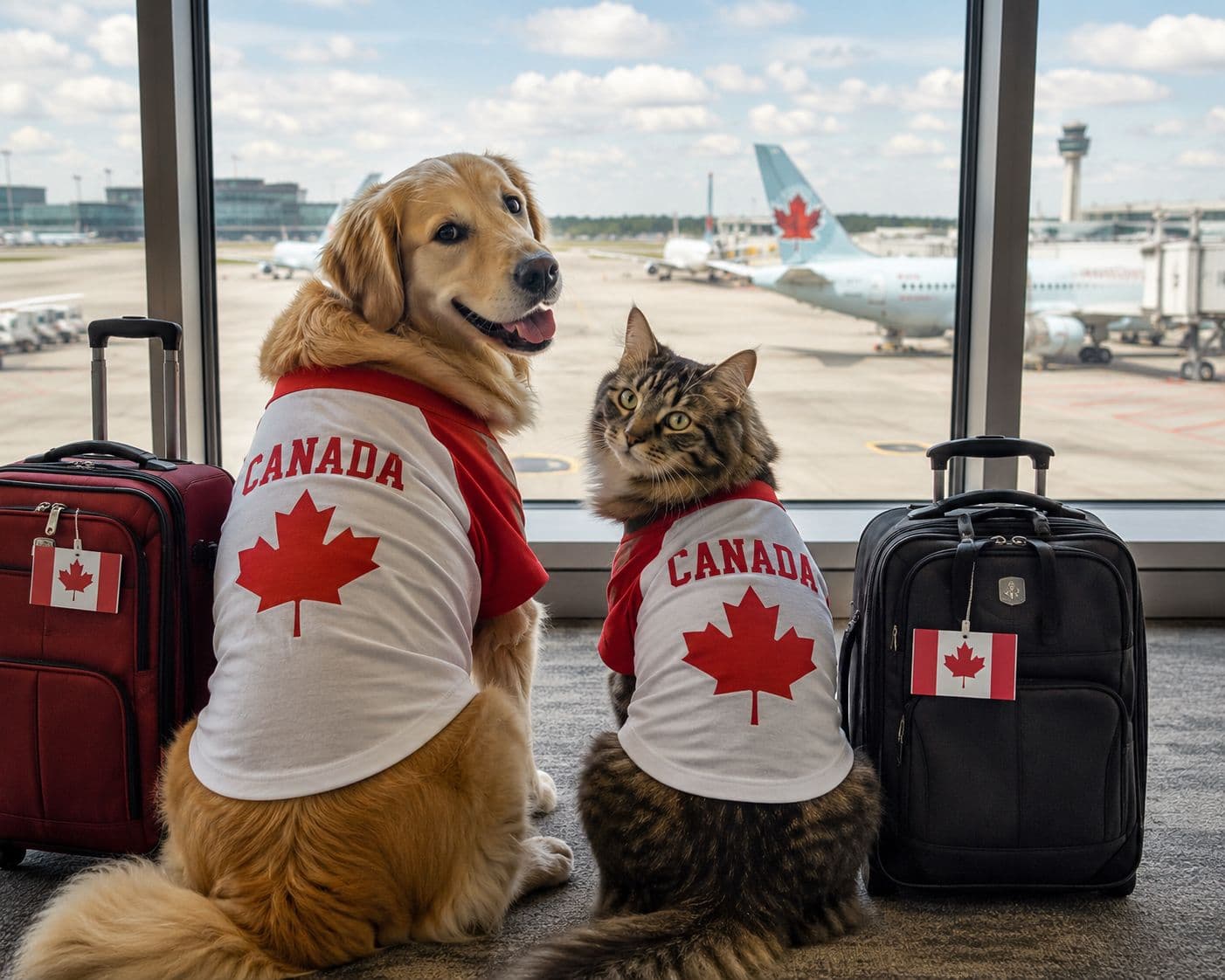
BRINGING YOUR PET FROM CANADA TO COSTA RICA
The Complete Guide to a Smooth, Stress-Free Move
A PERSONAL NOTE
We brought our cat Vida from Canada to Costa Rica, flying through Panama City on our way down — and honestly, the process went far smoother than we expected. The airline staff were accommodating, Vida handled the trip well, and we had zero issues entering Costa Rica.
Before flying, we had Pet Lounge CR review all of our paperwork to make sure everything was correct. The requirements can be very specific, and having an experienced set of eyes look everything over gave us peace of mind before travel day.
The biggest lesson we learned? Get your vaccine timing right from the beginning. That’s the one detail that can easily throw off your entire timeline.
THE GOOD NEWS FIRST
Costa Rica does not require quarantine for dogs or cats arriving with complete documentation. There are also no national breed restrictions for entry.
Thousands of pets enter Costa Rica every year without issue, and the process is very manageable if you stay organized and prepare ahead of time.
That said, details matter. Missing paperwork, expired vaccines, or incorrect dates can create delays at the airport — so it’s worth taking the time to do things properly.
WHAT PAPERWORK DO YOU NEED?
Costa Rica’s animal import requirements are managed by SENASA (Servicio Nacional de Salud Animal).
1. INTERNATIONAL HEALTH CERTIFICATE
This is the most important document.
It must be completed by a CFIA-accredited veterinarian within 14 days of arriving in Costa Rica.
The certificate should include:
- Your pet’s description
- Rabies vaccine information
- Core vaccination records
- Parasite treatment details
- Microchip number
Your veterinarian will usually help coordinate the CFIA endorsement process.
2. CFIA ENDORSEMENT
After your vet completes the certificate, it must be endorsed by the Canadian Food Inspection Agency (CFIA).
Without this endorsement, Costa Rica can refuse entry.
3. IMPORT PERMIT (CARGO PETS ONLY)
If your pet is traveling as cargo rather than with you in the cabin, you may also need an import permit through SENASA before travel.
REQUIRED VACCINATIONS
All vaccines must still be valid when your pet lands in Costa Rica.
DOGS
Required vaccinations include:
- Rabies
- Distemper
- Hepatitis
- Parvovirus
- Leptospirosis
CATS
Required vaccinations include:
- Rabies
- FVRCP (feline viral rhinotracheitis, calicivirus, panleukopenia)
Rabies vaccines must be administered at least 21 days before arrival for pets older than 3 months.
PARASITE TREATMENT
Dogs and cats must receive internal and external parasite treatment within 15 days of arrival.
Your paperwork should include:
- Product name
- Date administered
- Lot number
This is one of the most commonly missed details.
MICROCHIP REQUIREMENTS
Microchipping rules appear to have tightened recently, and newer reports suggest Costa Rica now expects all imported pets to have an ISO-compliant microchip.
Because the information online can still be inconsistent, the safest approach is simple:
- Get your pet microchipped before travel
- Use an ISO 15-digit chip
- Make sure the number matches exactly on all paperwork
If you already have a chip, double-check every document carefully for typing mistakes.
YOUR STEP-BY-STEP TIMELINE
8+ WEEKS BEFORE TRAVEL
- Check vaccine dates
- Schedule boosters if needed
- Book your pet on your flight early
4–6 WEEKS BEFORE TRAVEL
- Begin cargo permit process if applicable
- Review paperwork requirements
WITHIN 15 DAYS OF ARRIVAL
- Administer parasite treatments
WITHIN 14 DAYS OF ARRIVAL
- Visit your vet for the health certificate
- Obtain CFIA endorsement
DAY OF TRAVEL
Bring:
- Original paperwork
- Spanish translations if available
- Pet carrier
- Extra copies of everything
Arrive early — pet check-in takes longer.
ARRIVING IN COSTA RICA
Most international travelers arrive through either:
- Juan Santamaría International Airport
- Daniel Oduber Quirós International Airport
After landing:
- Go through immigration normally
- Proceed to the SENASA inspection area before customs
- Present your paperwork
- Complete a quick visual inspection
If everything is correct, your pet is cleared immediately — no quarantine required.
SHOULD YOU USE A DOCUMENT REVIEW SERVICE?
If the paperwork feels overwhelming, having a professional review it before your trip can be worth it.
We personally used Pet Lounge CR and found the process very reassuring. They’re familiar with SENASA requirements and can catch small errors before travel day.
Not everyone needs a service like this, but if you’re nervous about the paperwork, it can definitely reduce stress.
FINAL THOUGHTS
Costa Rica is an incredibly pet-friendly country, and bringing your dog or cat here is much easier than many people expect.
The key is preparation:
- Start early
- Watch your vaccine dates carefully
- Double-check every document
- Keep originals organized and easy to access
Once you land, the hard part is over — and your pet gets to start enjoying beach life right alongside you. 🐾🌴