Playa Grande article
Surf Access in Playa Grande: What Buyers Should Know
In Playa Grande, surf access is not an amenity. It is the operating system — but the beach, turtles, national park protections, and low-density lifestyle all shape the buyer story.

Rob Break
Helping people navigate the real journey of buying in Costa Rica.
Many coastal listings mention surf casually, as if the word alone creates value. In Playa Grande, surf access has to be evaluated more seriously. It shapes who rents, who buys, how people use a property, and what features matter after a long morning in the water.
The best surf properties are not always the most luxurious. They are the ones that make the surf routine feel effortless.
But Playa Grande is not only a surf town. It is also one of Guanacaste’s most environmentally significant beaches, closely tied to Las Baulas National Marine Park and the nesting habitat of leatherback sea turtles. That protected context is part of what makes Playa Grande Costa Rica real estate different from more heavily developed beach markets.
01
Surf access changes daily behavior
A few minutes can matter. When the beach is easy to reach, surfing becomes part of the day instead of a scheduled event. Guests check conditions, walk back for lunch, return for another session, and feel more connected to the place.
That behavioral shift can affect rental demand. Surf travelers remember homes that make the rhythm simple.
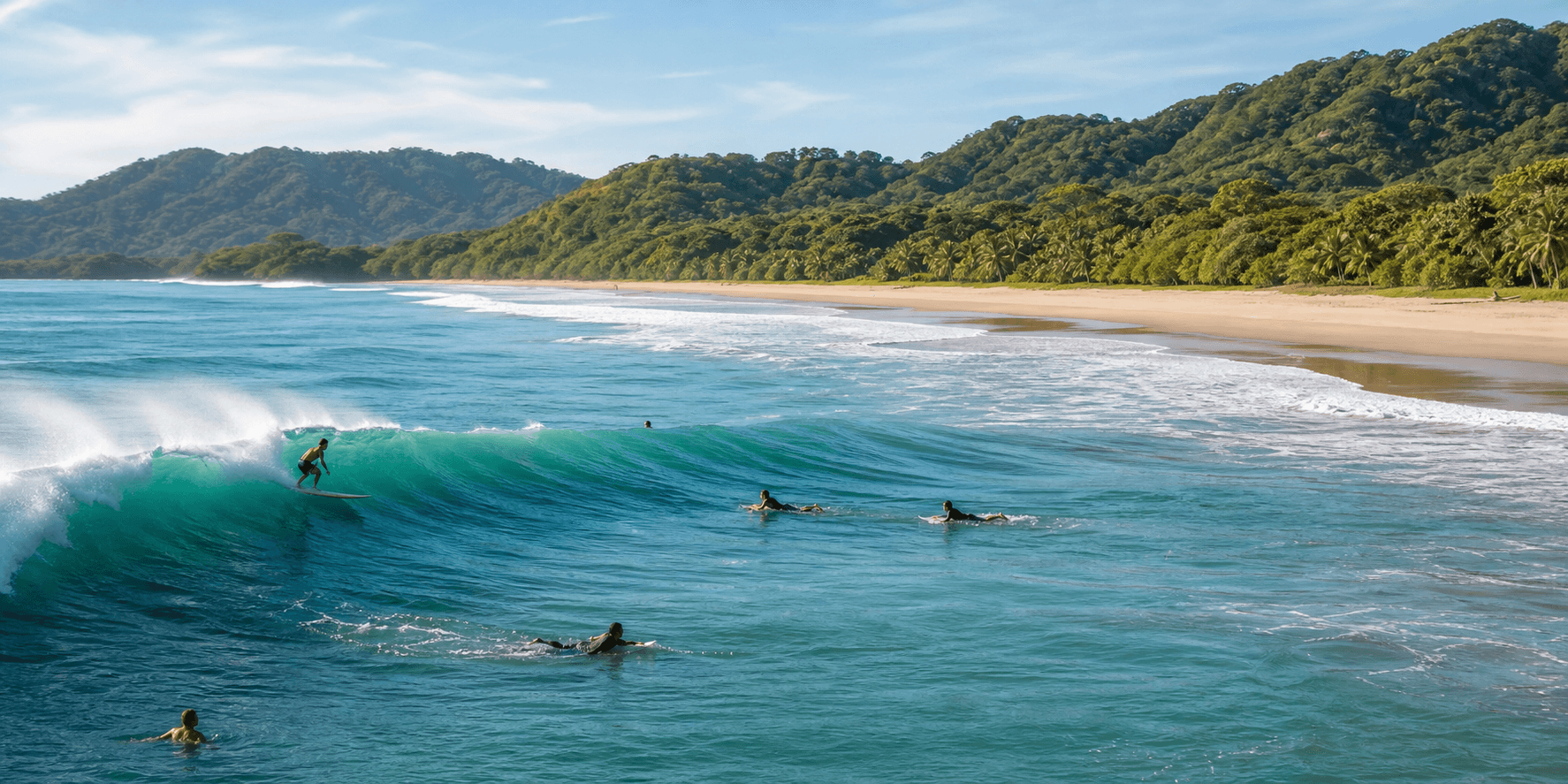
Playa Grande has earned its reputation as one of Costa Rica’s better surf beaches because the waves are consistent enough to create a real routine. Buyers who understand Playa Grande surf access are usually not asking whether the beach photographs well. They are asking how quickly they can check the conditions, where boards will be stored, how sandy gear gets rinsed, and whether the property makes early-morning sessions feel easy.
The beach itself supports that rhythm. Long walks, a wide shoreline, and a quieter atmosphere give Grande a different emotional register than Tamarindo. Tamarindo is social and visible. Grande feels broader, calmer, and more nature-oriented, which is exactly why many surfers, families, and remote workers prefer it as a base.
02
Practical surf features outperform decorative ones
Board storage, outdoor showers, durable floors, shade, laundry, secure parking, and flexible sleeping layouts are not minor details. They are part of the experience for people traveling with boards, kids, friends, or gear.
A fragile, overly precious property can feel wrong for Grande. The strongest homes balance comfort with utility so guests can live actively without feeling like they are damaging the place.
Owners targeting surf-oriented guests should think in practical sequences. Where does a guest park after a session? Where do wet towels go? Can someone rinse off before entering the house? Is there shade for boards and a place to dry rash guards? Can two people work remotely while others head to the beach?
These details sound small until they become reviews, repeat bookings, or the reason a longer-stay guest chooses one home over another. In a Playa Grande buyers guide, surf access should always be paired with property function.
03
Surf demand overlaps with remote work
The modern surf traveler is not always on a one-week vacation. Many want fast WiFi, a quiet place to work, a kitchen that supports longer stays, and enough comfort to blend sessions with calls.
That creates opportunity for owners. A property that supports both surf and daily life can attract guests who stay longer and return more often.
This is one reason Playa Grande has become more interesting to families and remote workers. The town offers surf culture without the same level of nightlife pressure. A buyer can stay close to Tamarindo’s restaurants, grocery options, and services while returning to a quieter home environment after the day opens up.
That balance is increasingly rare: real surf, wildlife, outdoor routines, and enough proximity to infrastructure to make longer stays practical. For many buyers, Playa Grande lifestyle value sits precisely in that middle ground.
04
Las Baulas National Marine Park shapes the coastline
Grande’s appeal is tied to its natural setting, which means buyers should understand environmental restrictions, protected areas, access rules, and the responsibility that comes with owning near a sensitive coastline.
The best investment posture here is not extraction. It is stewardship aligned with lifestyle demand.
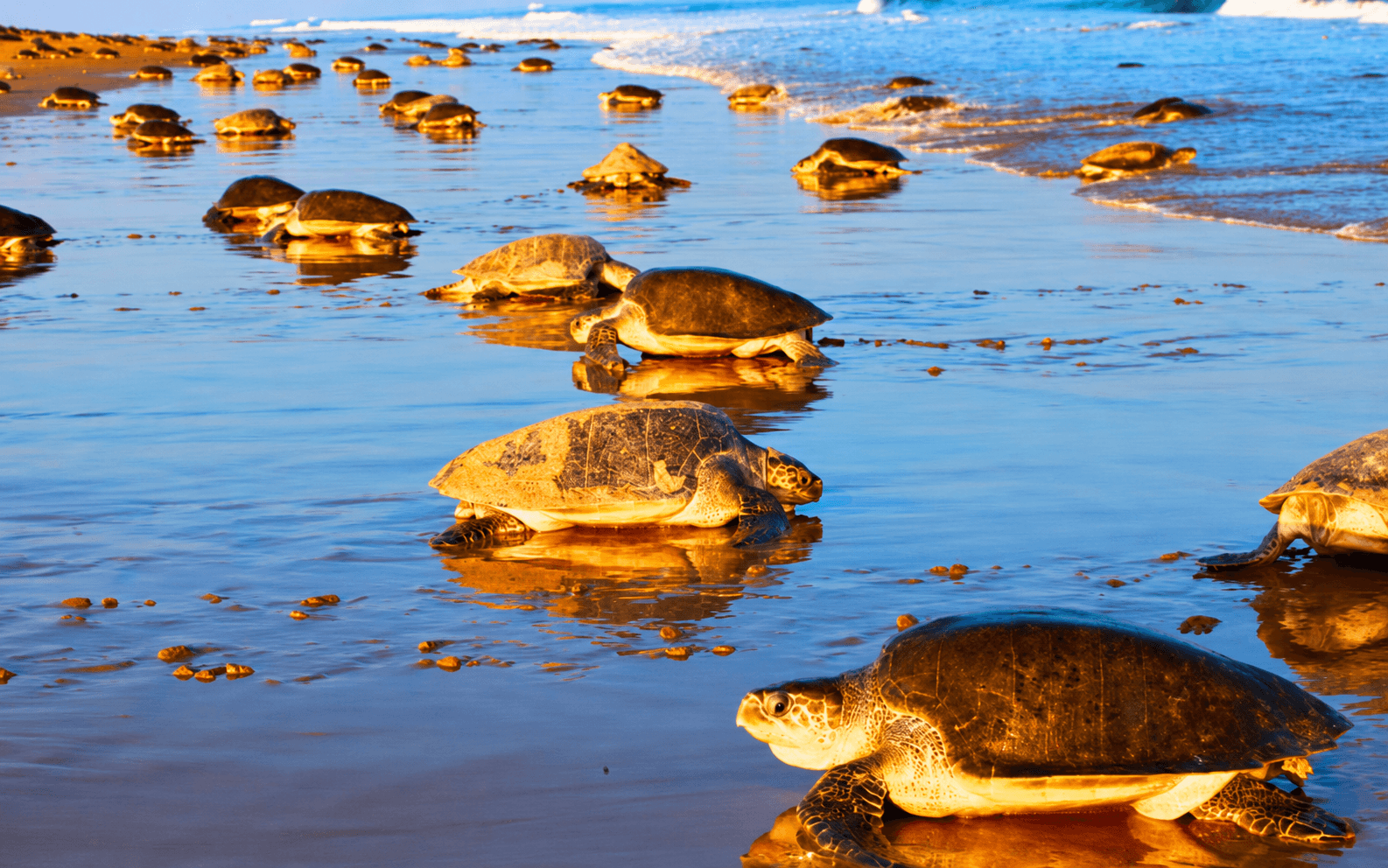
Playa Grande is closely associated with Las Baulas National Marine Park, created to protect critical nesting habitat for leatherback sea turtles and the surrounding coastal ecosystem. Leatherbacks are one of the world’s most remarkable marine animals, and Playa Grande has historically been one of Costa Rica’s important nesting beaches.
Turtle nesting season can bring specific beach access restrictions, especially at night and in sensitive areas. Buyers should also understand that protected lighting rules near the beach are not cosmetic. Artificial light can disorient nesting turtles and hatchlings, so lighting, visibility from the beach, and development behavior matter.
These protections are one of the reasons Playa Grande has avoided the same development intensity seen in some busier beach towns. For certain buyers, the regulations feel limiting at first. For others, they are the moat. They help preserve the low-density feel, protect the wide natural coastline, and support long-term scarcity.
Anyone evaluating Playa Grande Costa Rica real estate should understand conservation regulations before purchasing. The right advisors, due diligence, and local context matter because the national park is not a backdrop. It is part of the ownership environment.
A beautiful house only works if the town fits your life.
Find the town that fits how you want to live, buy, or invest.
05
Dog rules are different on a protected beach
Buyers moving from other Guanacaste beach towns sometimes assume dogs can be part of every beach walk. In protected sections of Playa Grande, dogs are generally not allowed because of turtle nesting protection and wildlife management.
The reason is straightforward: dogs can disturb nesting turtles, nests, hatchlings, birds, and other wildlife. Enforcement can vary by season, location, and circumstance, but buyers should not treat the beach like a standard pet-friendly residential shoreline.
This is one of the practical differences between Playa Grande and some nearby beach towns. If daily off-leash beach walks with a dog are central to your lifestyle, you need to understand the protected nature of the area before buying. If the conservation mission matters to you, the rules usually make sense.
06
Beach access feels easier, but still needs due diligence
Compared with busier surf towns, Playa Grande can feel easier to approach. The shoreline is wide, the atmosphere is quieter, and the experience is less compressed. Parking and access can feel more relaxed than Tamarindo on many days, though exact convenience still depends on where the property sits.
Buyers should walk the route from any home they are considering. “Near the beach” can mean a pleasant stroll, a hot exposed walk, a drive, or a route that feels different at night. Homes near the national park may offer the strongest nature connection, while inland properties can offer more space, different price points, and a calmer residential feel.
The right choice depends on the buyer. A surfer may prioritize dawn access. A family may care more about shade, road condition, and bikeability. An investor may care about how clearly guests understand the beach routine from the listing.
07
Limited beachfront inventory changes the real estate logic
Playa Grande does not have unlimited beachfront supply, and environmental building regulations make the market structurally different from places where the coastline can be more heavily built out. Buyers should understand concession zones, titled property, protected areas, setbacks, and permitting before making assumptions about what can be built or improved.
This scarcity can support long-term property demand, but it also raises the bar for due diligence. A property’s legal status, access, water, septic, road condition, and relationship to protected land may matter as much as the architecture itself.
The most thoughtful Playa Grande buyers do not see regulation only as friction. They understand that the same limits that complicate development can help protect the character that made them interested in the first place.
08
Families and remote workers are buying the quieter rhythm
Playa Grande’s appeal is not only for surfers chasing waves. Families are drawn to the slower pace, wider beach, nature exposure, and the ability to be near Tamarindo without living inside its commercial energy. Children can grow up with tide charts, wildlife encounters, beach walks, and outdoor routines as part of ordinary life.
Remote workers often appreciate the same qualities. A quieter home base can make focused work easier, while the surf and nature provide a built-in reset before or after calls. The lifestyle feels active without being hectic.
For buyers comparing Playa Grande with Tamarindo, the question is often not whether one is better. It is whether you want nightlife and restaurants at your doorstep, or whether you want surf culture, national park atmosphere, and a little more space around the edges of the day.
“The best Playa Grande purchase understands both the wave and the protected coastline that keeps the town from becoming ordinary.”
Bottom line
Playa Grande surf access can be a real advantage, but only when the property supports the routine honestly. Buyers should shop less like tourists and more like people imagining wet towels, early alarms, board bags, and one more paddle-out before dinner.
The deeper story is that Playa Grande’s value is tied to restraint. Las Baulas National Marine Park, turtle protections, lighting rules, limited beachfront inventory, and the quieter surf-town rhythm all work together. For buyers who want easy nightlife, that restraint may feel inconvenient. For buyers who want nature, scarcity, surf, and a lower-density version of coastal Costa Rica, it is the point.
Related content
Continue Your Costa Rica Journey
Playa Grande Article
Playa Grande Buyer Guide: Surf, Space, and Nature
Why Grande appeals to surfers, families, and buyers who want a quieter base near Tamarindo.
Explore this topic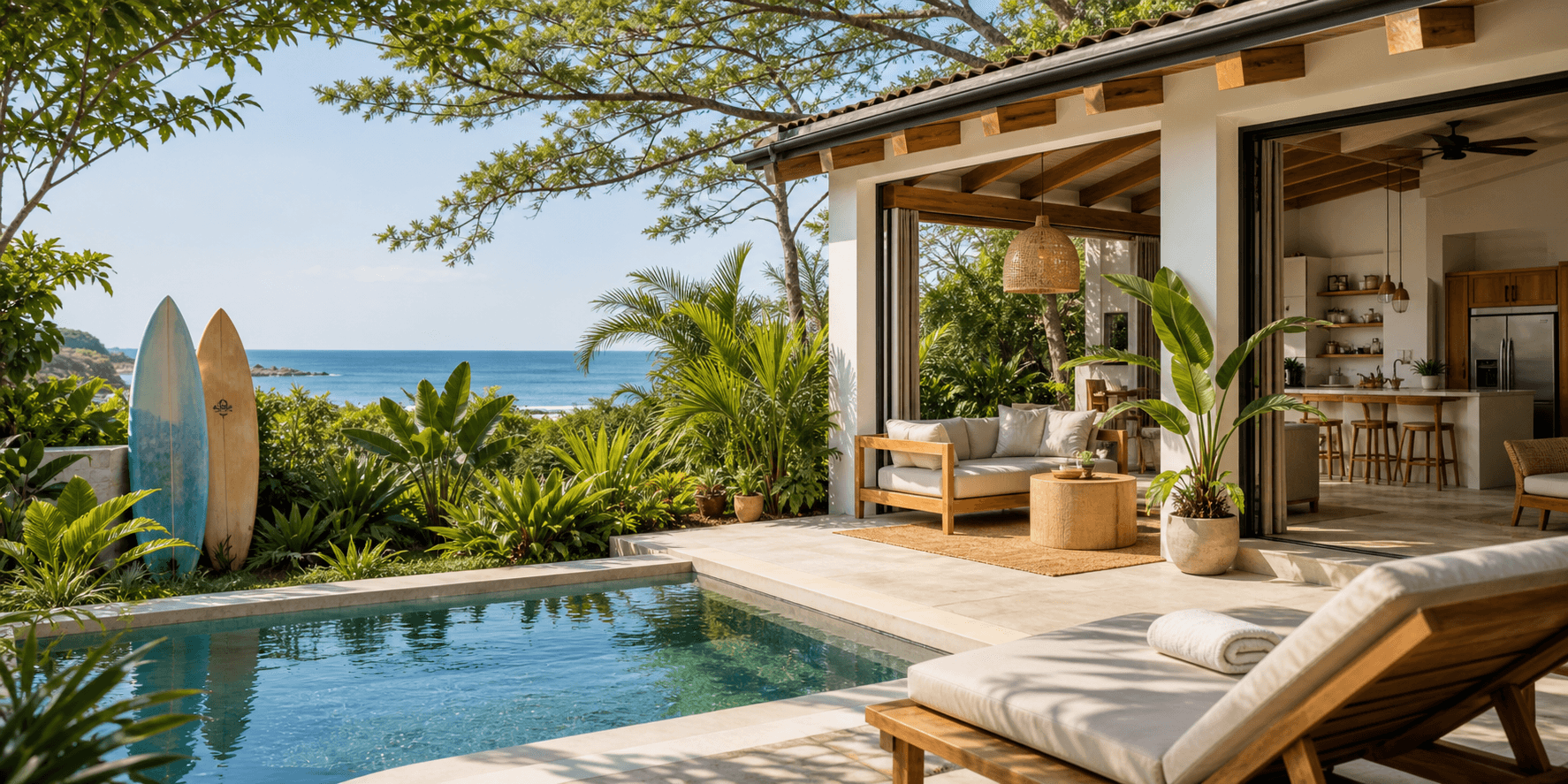
Playa Grande Article
Playa Grande Rental Strategy for Owners
How surf demand, management, access, and home layout influence performance.
Explore this topic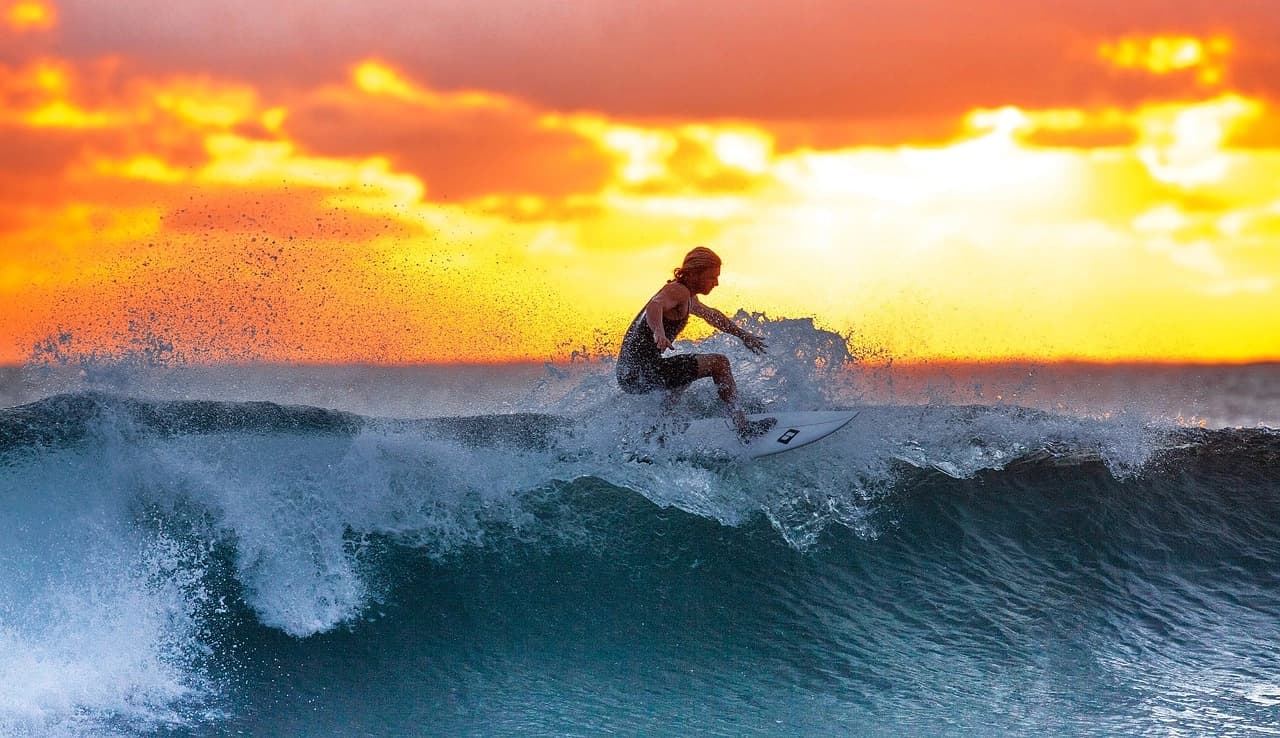
Area Guide
Playa Grande
Playa Grande is the quieter surf-and-nature counterpoint to Tamarindo: a long beach, protected coastal character, strong waves, and residential pockets that feel calm without being disconnected.
Explore this topic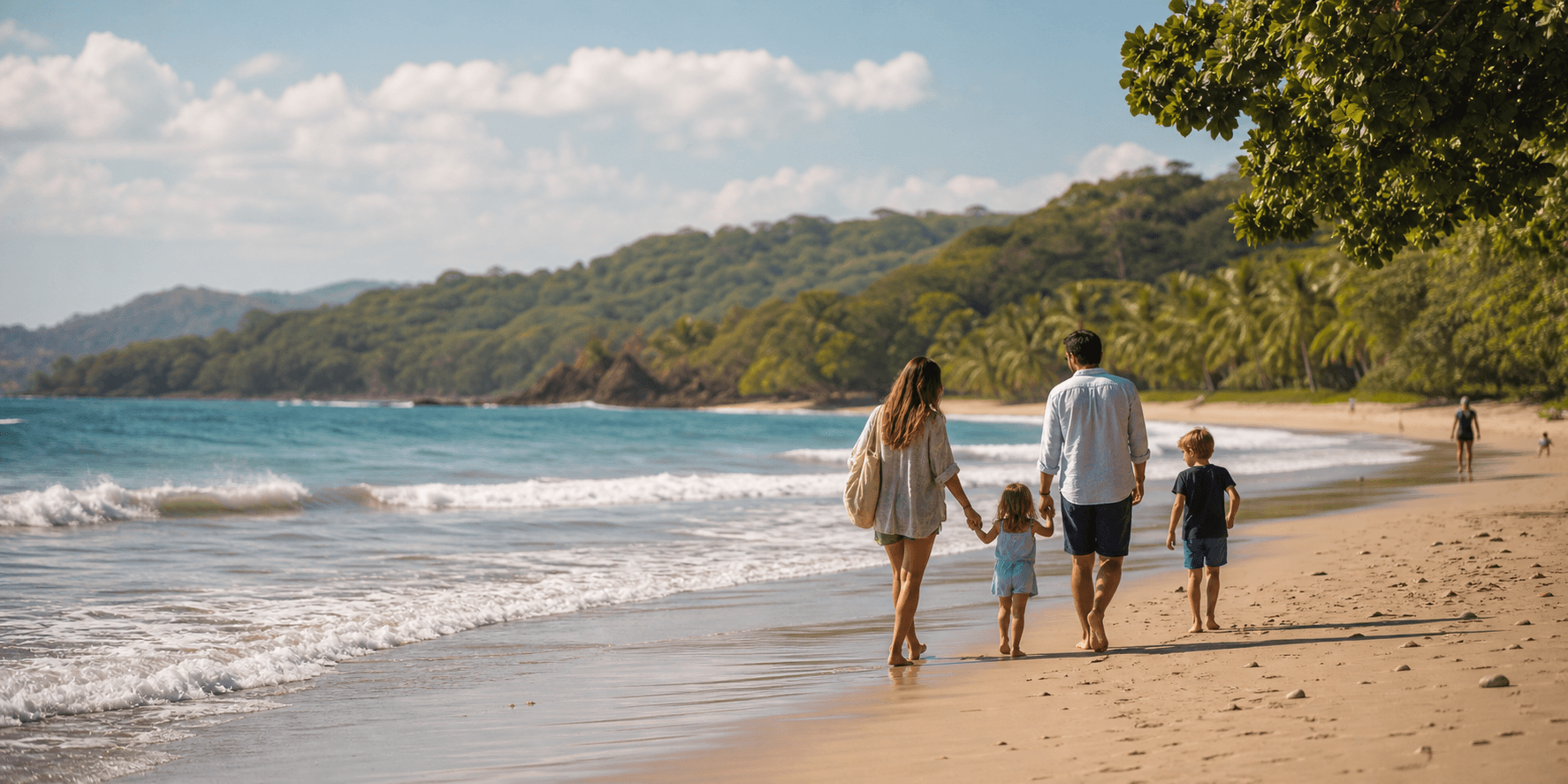
Playa Grande Article
Family Life in Playa Grande, Costa Rica
Beach routines, nature, schools nearby, and why some families prefer Grande’s slower pace.
Explore this topic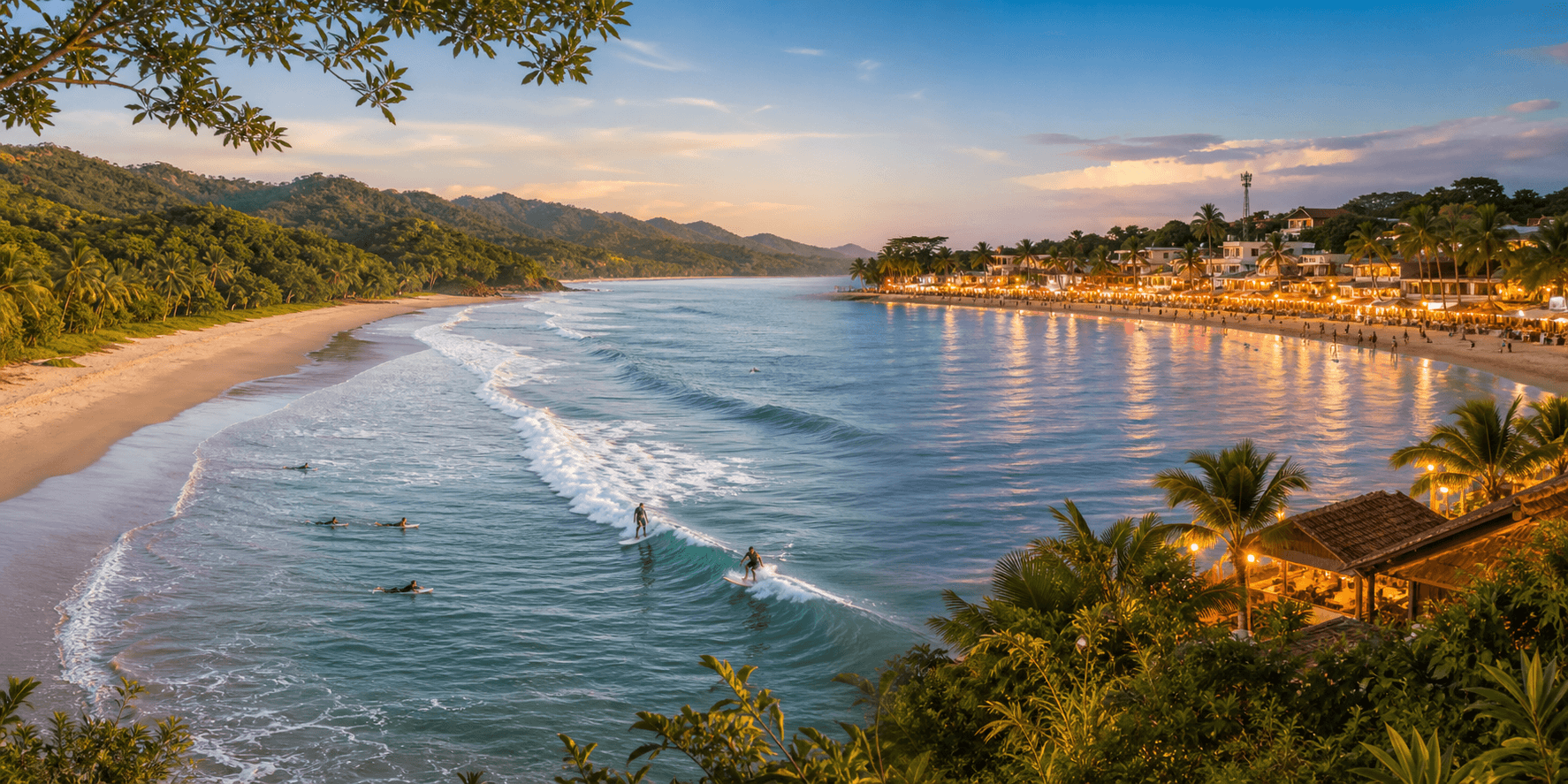
Playa Grande Article
Playa Grande vs Tamarindo: Quiet or Convenient?
How to compare energy, services, rental visibility, and daily lifestyle across the estuary.
Explore this topic
Buyer Guide
Buying Property in Costa Rica: What Canadians and Americans Need to Know
A clear guide to ownership, escrow, due diligence, closing costs, corporations, taxes, and financing.
Explore this topicKeep exploring