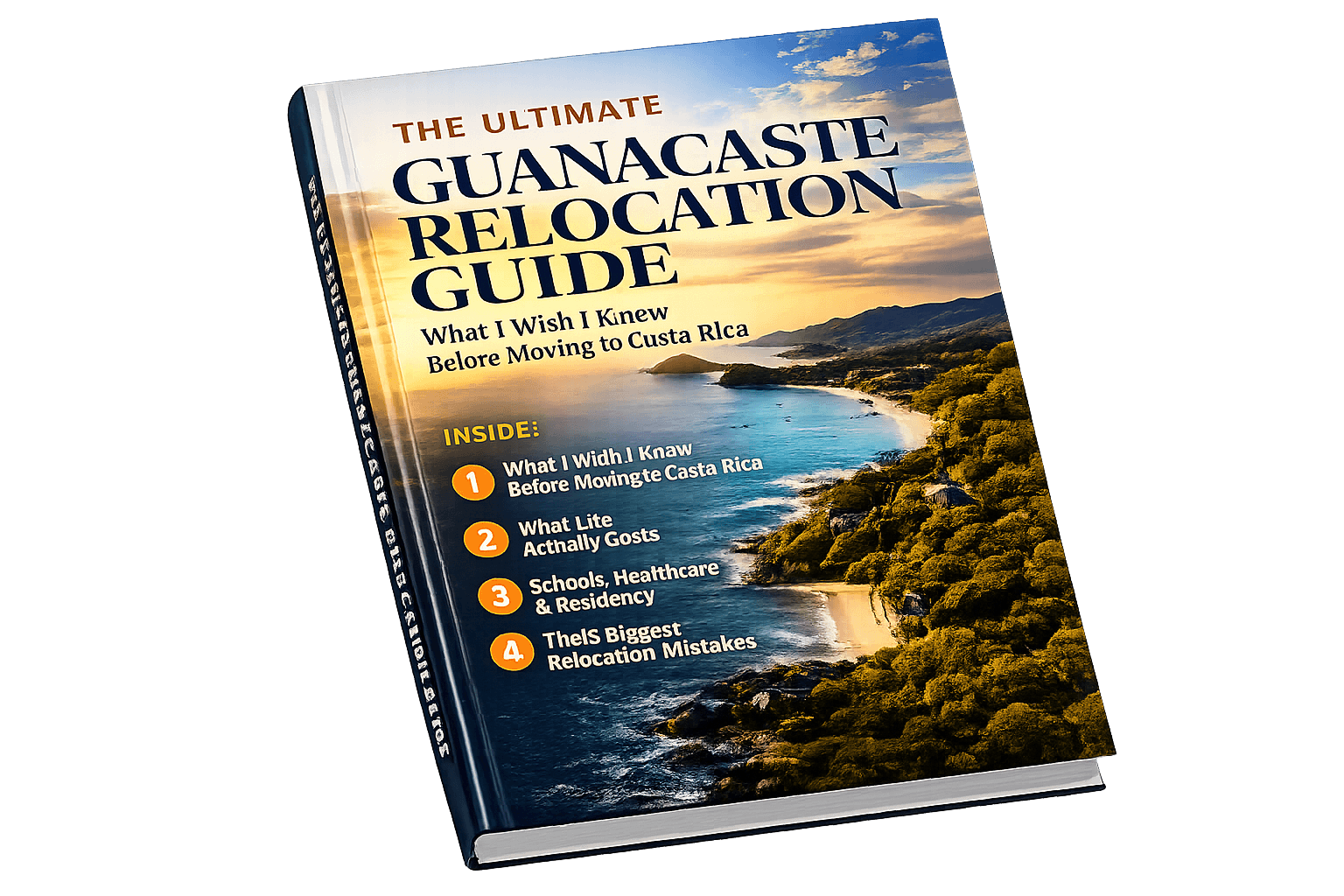
Guanacaste relocation guide
Moving to Costa Rica:What Life in Guanacaste Actually Feels Like
A realistic relocation guide for families, investors, remote workers, and lifestyle buyers considering Costa Rica's Gold Coast.
Last Updated: June 2026
This guide is regularly updated to reflect changes in Guanacaste real estate, residency, healthcare, schools, infrastructure, and everyday life so you can make decisions based on current information.

Rob Break
Helping people navigate the real journey of buying in Costa Rica.
Why people move to Guanacaste
The appeal is emotional, but the decision should be practical.
People come for warm weather, surf culture, wellness, outdoor living, and a slower pace. They stay when the daily logistics also work: school, internet, healthcare, community, road access, and a town rhythm that fits their real life.
Beach lifestyle
Most days happen partly outside: school runs near the coast, lunch in flip-flops, sunset routines, weekend beach hopping, and ocean air as part of ordinary life.
Warm weather and outdoor living
Guanacaste rewards people who want patios, pools, morning walks, surf lessons, fishing, cycling, tennis, yoga, and less indoor living than they had at home.
Family and community
International schools, youth sports, beach friendships, and parent networks make the region feel more connected than many newcomers expect.
Remote work and investment interest
Remote workers and lifestyle investors are drawn to the same thing: a livable base that can also make sense as a long-term Costa Rica property decision.
Before comparing listings, compare the lifestyle.
Find the town that fits how you want to live, buy, or invest.
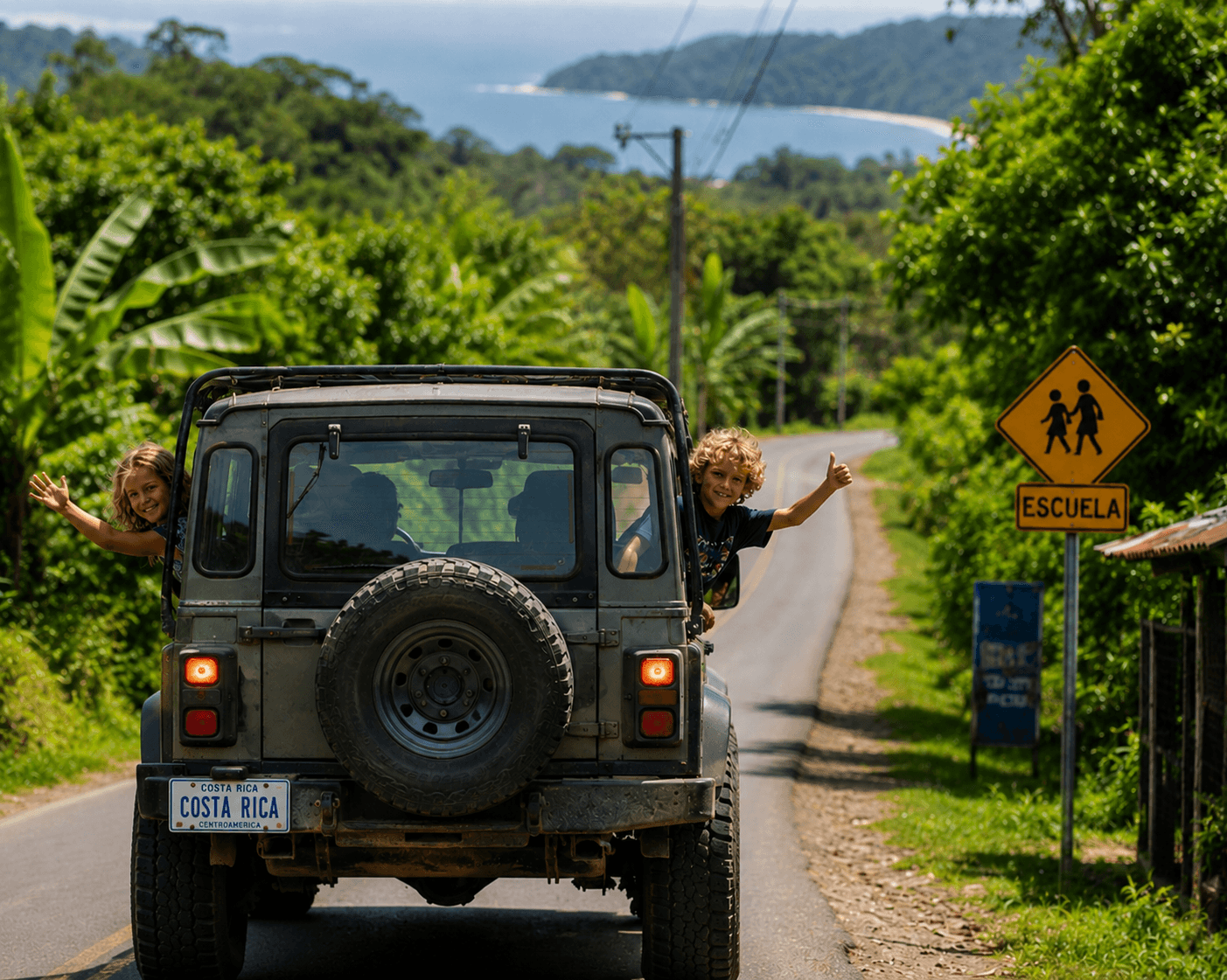
Family life in Guanacaste
School commute can shape the whole move.
Families often focus first on beaches and bedrooms, but school logistics usually define the week. Private school options, pickup times, sports, after-school activities, healthcare access, and where your children's friends live all affect whether the move feels easy or exhausting.
The strongest family fits have a repeatable daily routine: school, groceries, sports, beach time, medical care when needed, and a real parent community. A beautiful home can become frustrating if the route to school is too long or isolates children from their social circle.
Explore expat family guidanceRelocation articles
Practical details that make the move smoother.
Some relocation decisions are deeply personal. For many families, that includes making sure the dog or cat can make the move safely too.
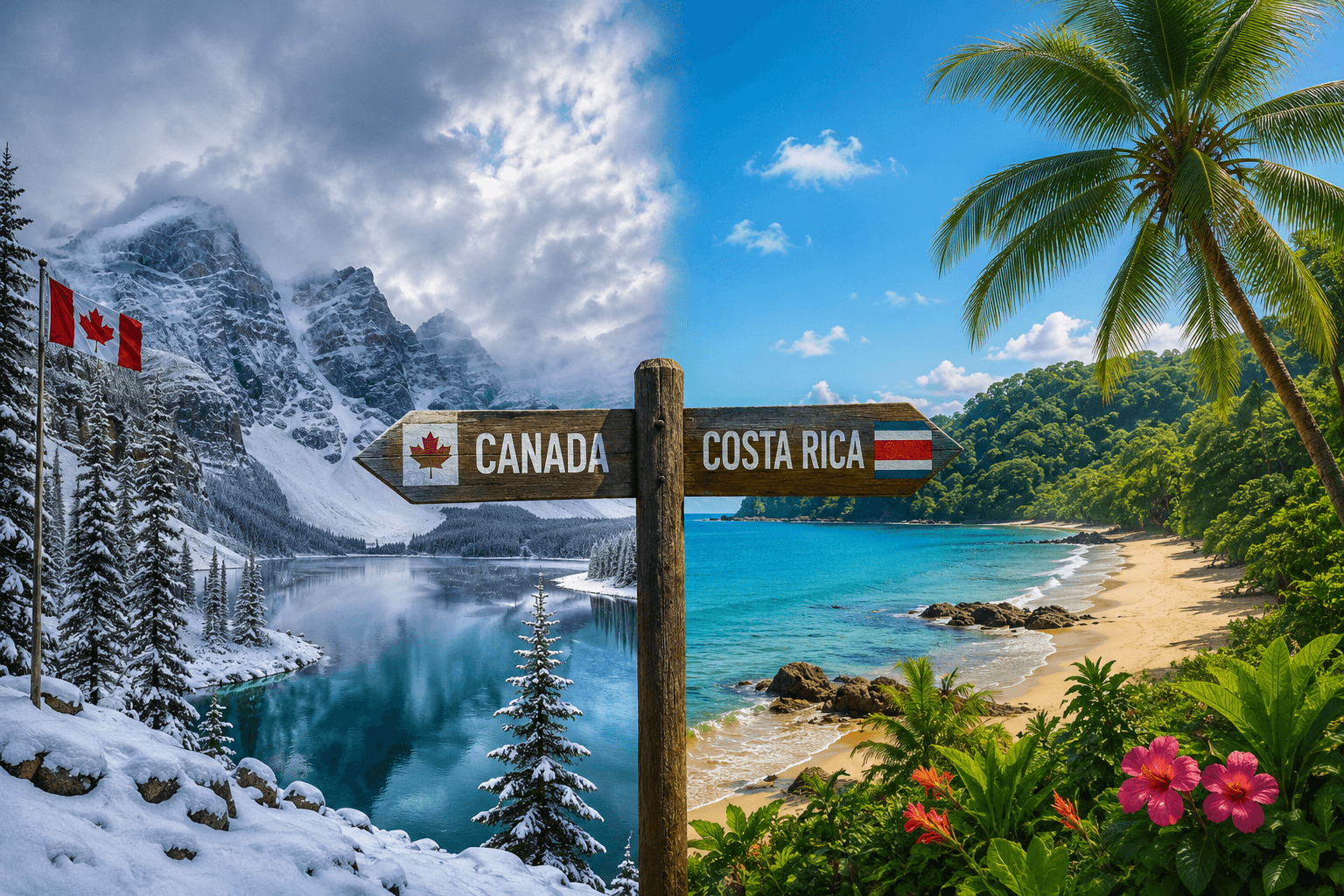
Why More Canadians and Americans Are Moving to Costa Rica
From better weather and outdoor living to remote work flexibility and a different pace of life, here's why more North Americans are choosing Costa Rica.
Read Article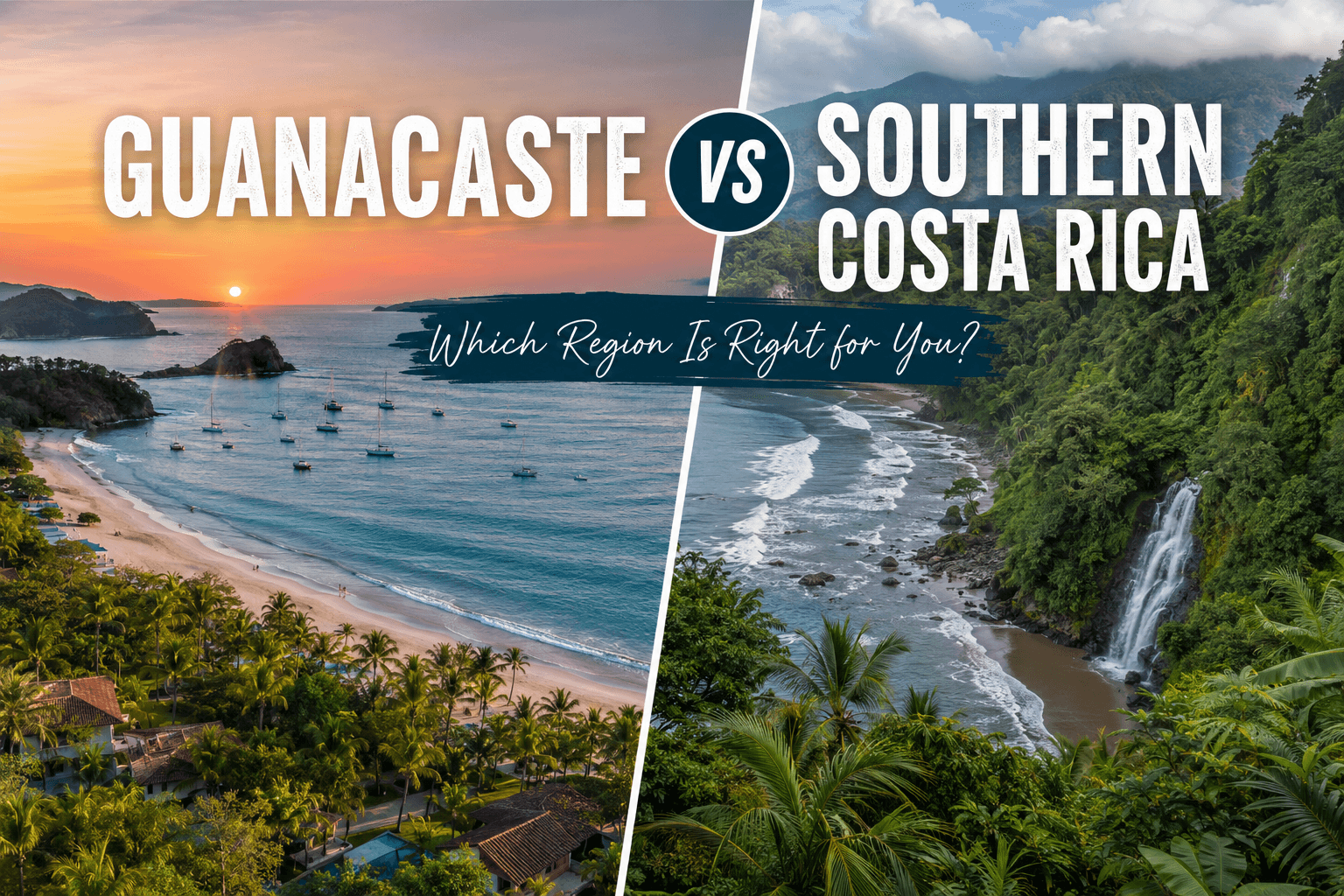
Guanacaste vs Southern Costa Rica: Which Region Is Right for You?
Guanacaste and Southern Costa Rica both offer incredible beaches, wildlife, and warm weather, but the day-to-day lifestyle is very different. Here’s how to decide which region fits you best.
Read Article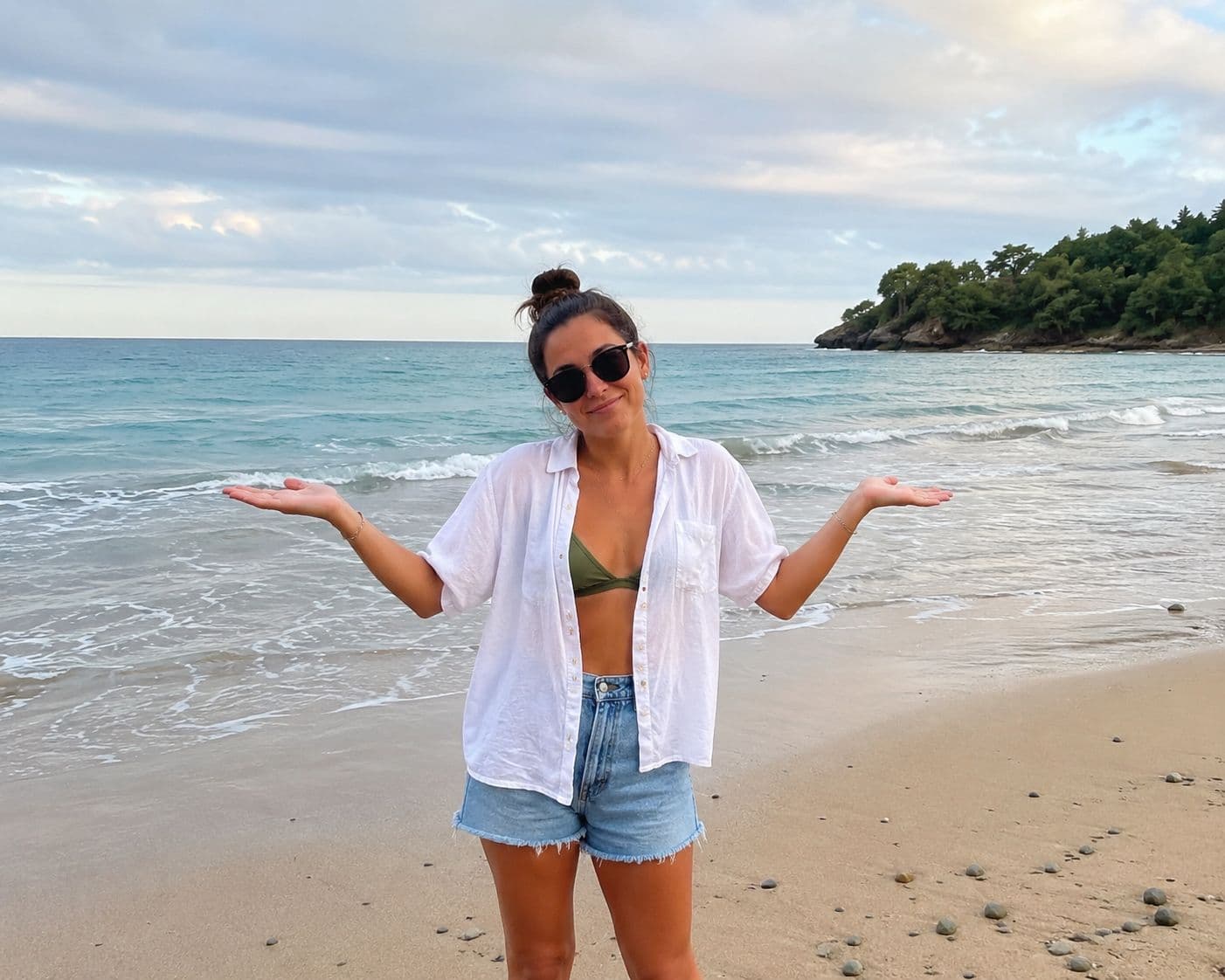
5 Things No One Tells You About Moving to Costa Rica
Wind, rainy season, WhatsApp, Pura Vida, and the outdoor lifestyle shifts most relocation blogs leave out.
Read Article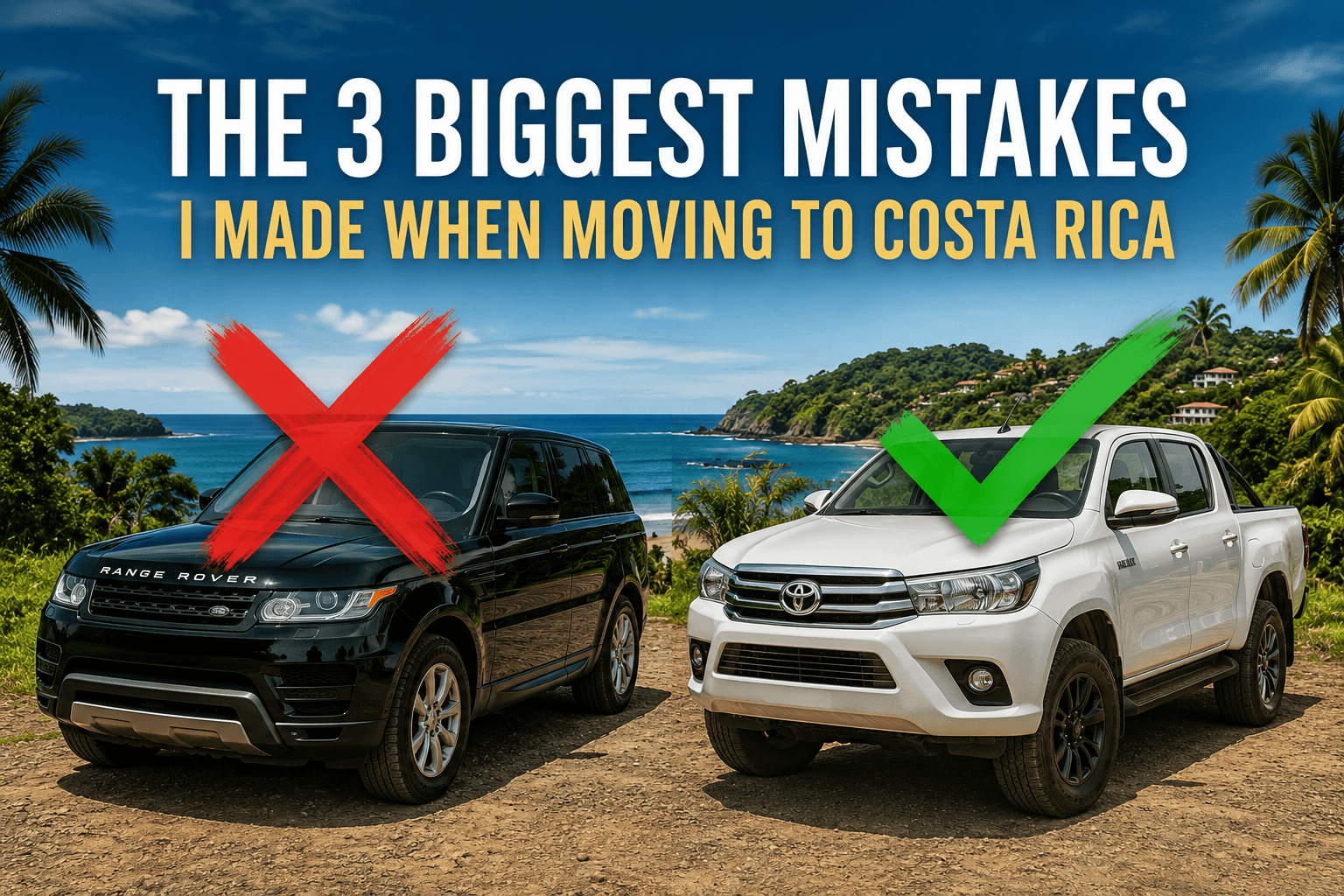
The 3 Biggest Mistakes I Made When Moving to Costa Rica
Vehicle choices, renovation lessons, and why the first year needs structure instead of a permanent vacation mindset.
Read Article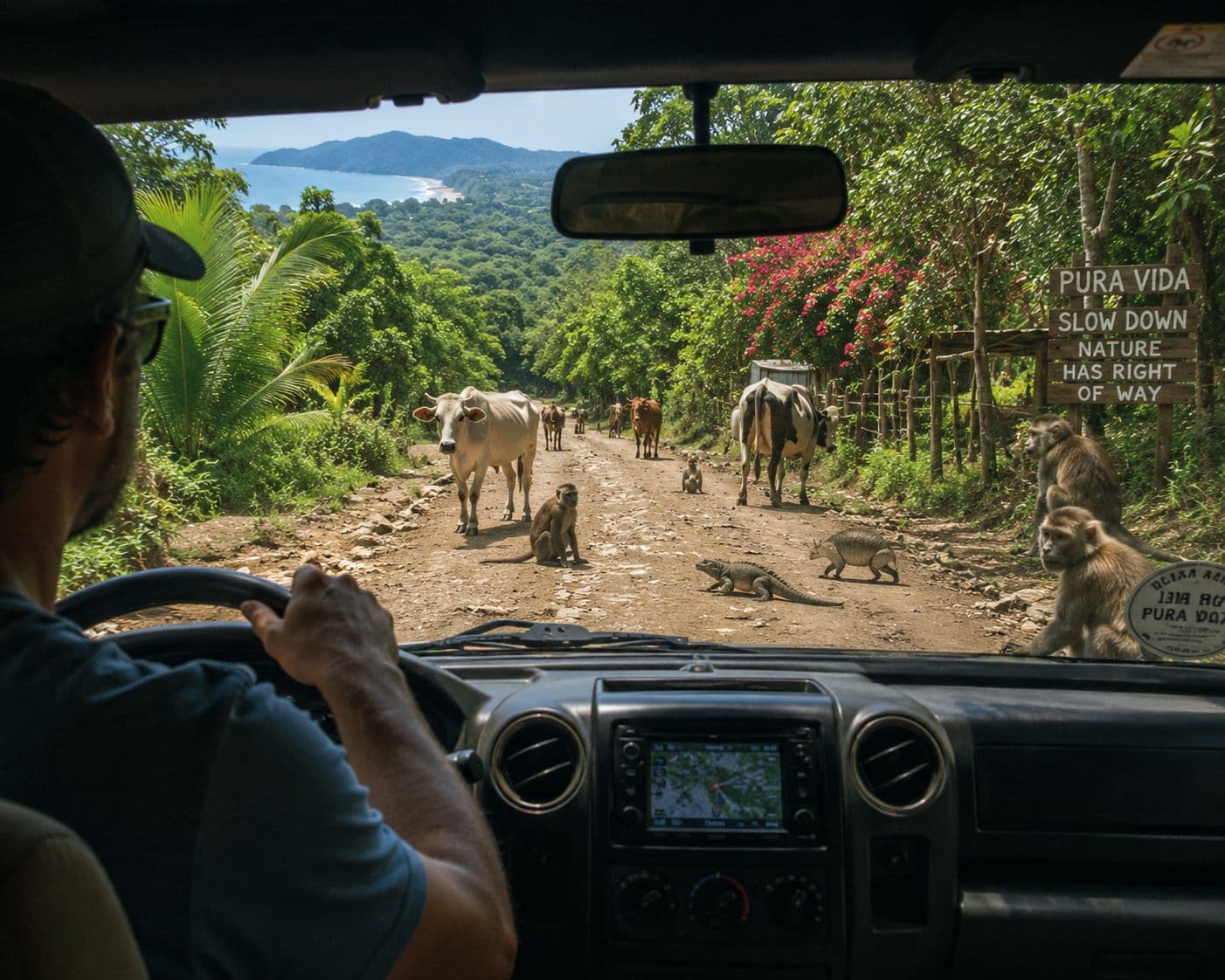
Driving in Costa Rica: What North Americans Should Expect Behind the Wheel
Roads, rental cars, night driving, rainy season, and the local driving rhythm newcomers should understand.
Read Article
How Safe Is Guanacaste, Costa Rica?
A practical look at petty crime, home security, day-to-day safety habits, and what new residents should know.
Read Article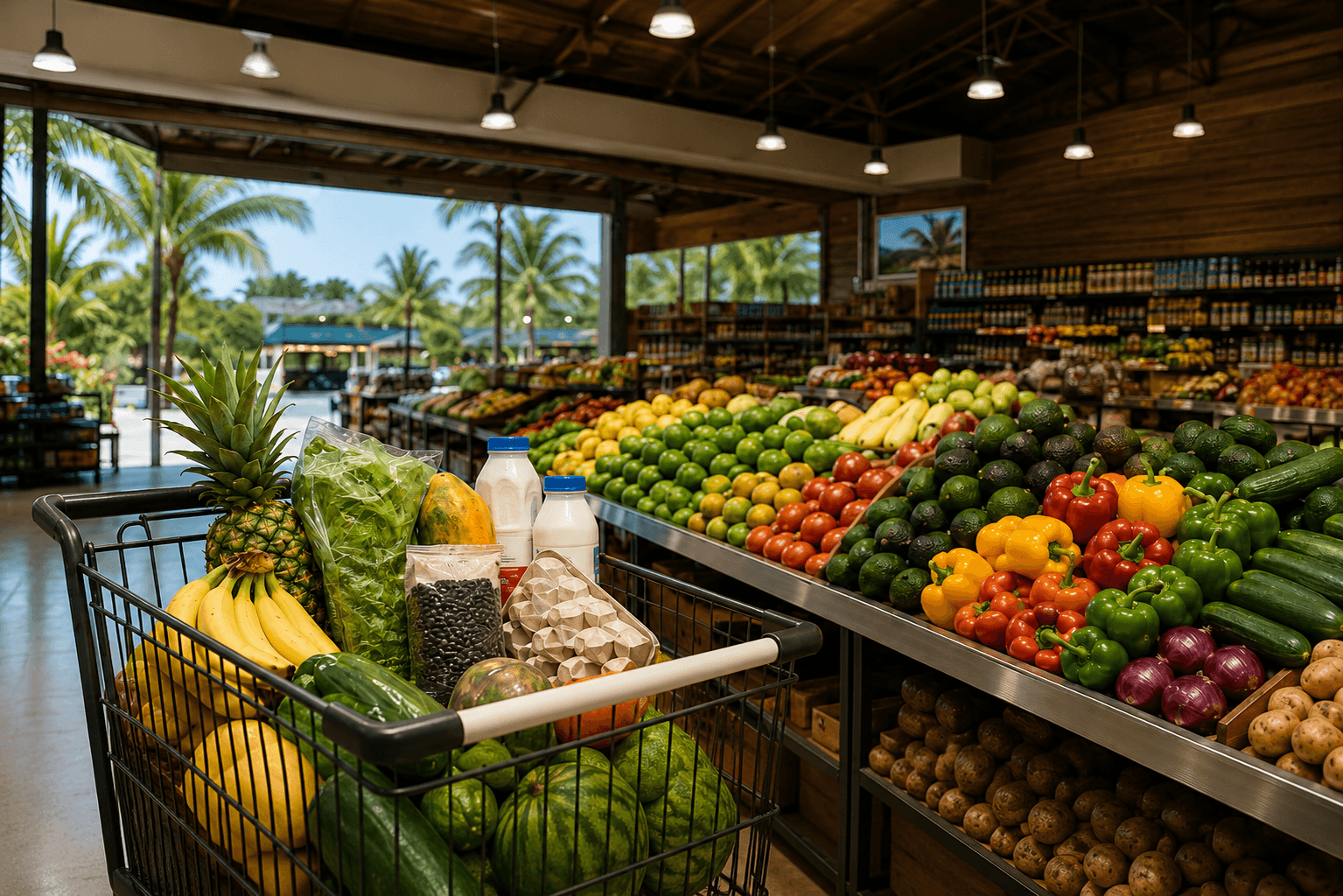
Groceries on Costa Rica’s Gold Coast: Cost, Availability, and What New Residents Should Expect
A practical look at grocery stores, fresh produce, imported items, specialty diets, and what new residents usually spend.
Read Article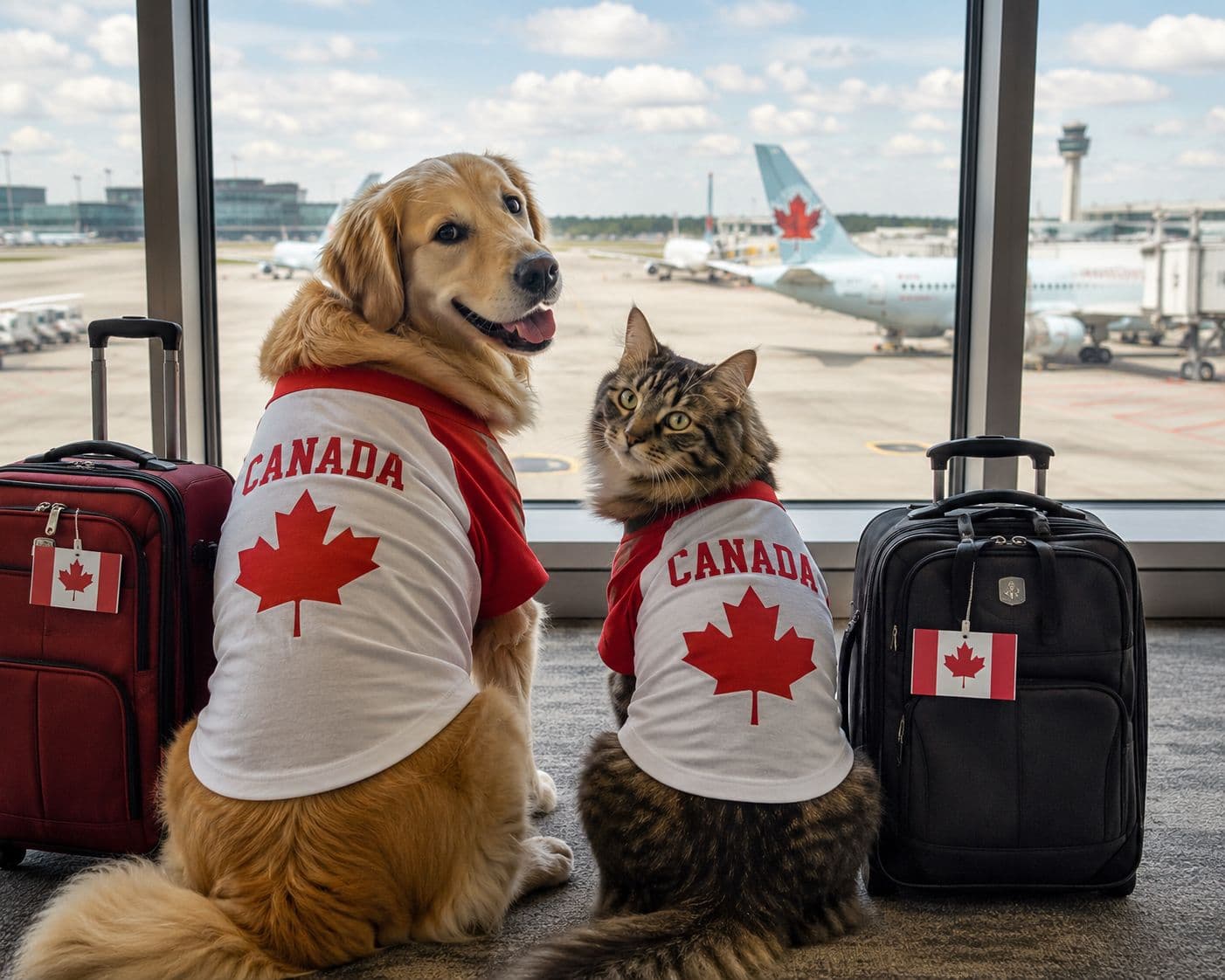
Bringing Your Pet From Canada to Costa Rica
The Complete Guide to a Smooth, Stress-Free Move
Read Article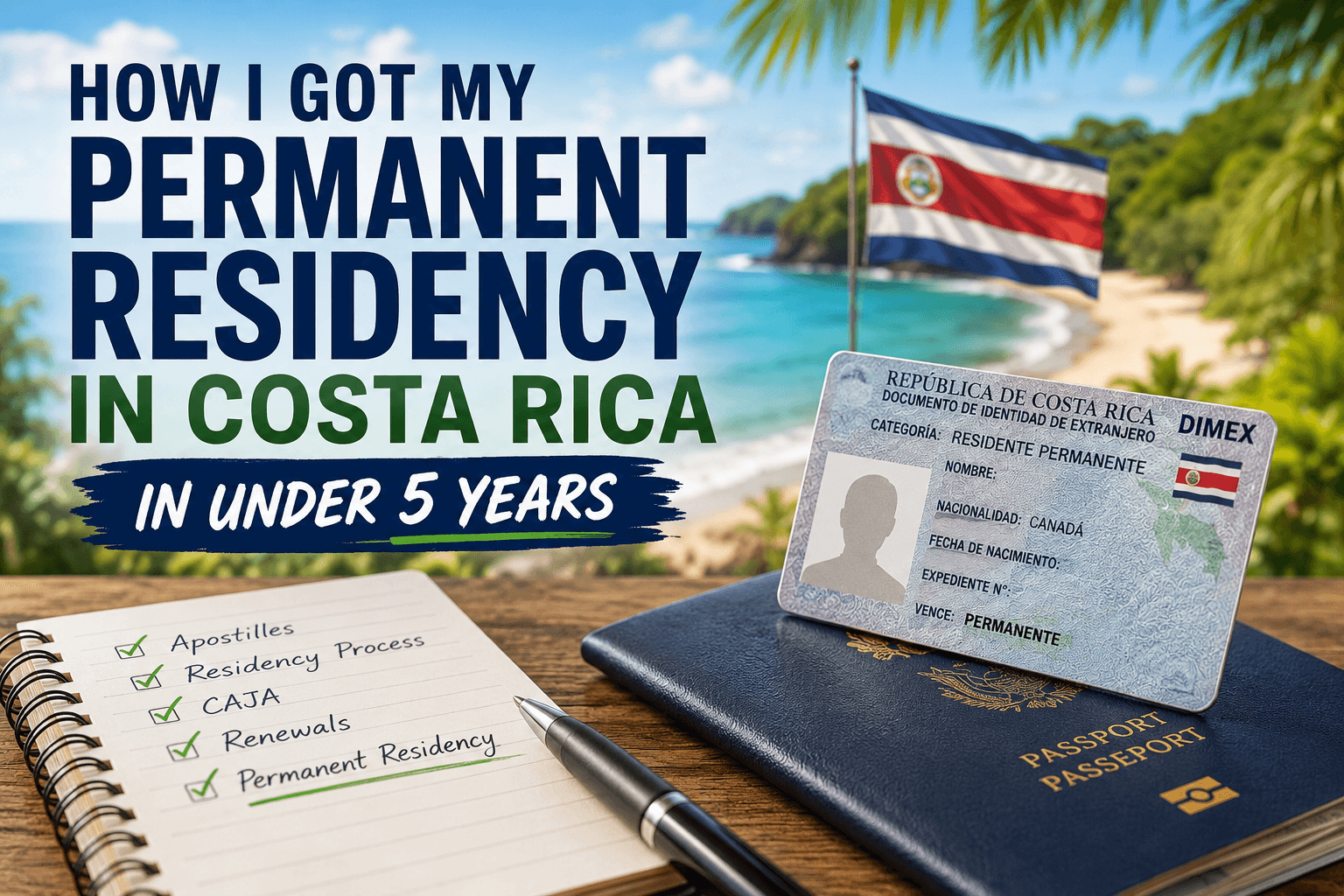
How I Got My Permanent Residency in Costa Rica in Under 5 Years
A real-world breakdown of the Costa Rica residency process, including apostilles, renewals, CAJA, and permanent residency timelines.
Read Article
Buying Property in Costa Rica: What Canadians and Americans Need to Know
Thinking about buying property in Costa Rica? Here's what Canadians and Americans need to know about ownership, escrow, due diligence, closing costs, corporations, and financing.
Read Article
Luxury Communities
A look at the luxury communities that continue to thrive in Guanacaste and why buyers are increasingly choosing established communities over standalone properties.
Read Article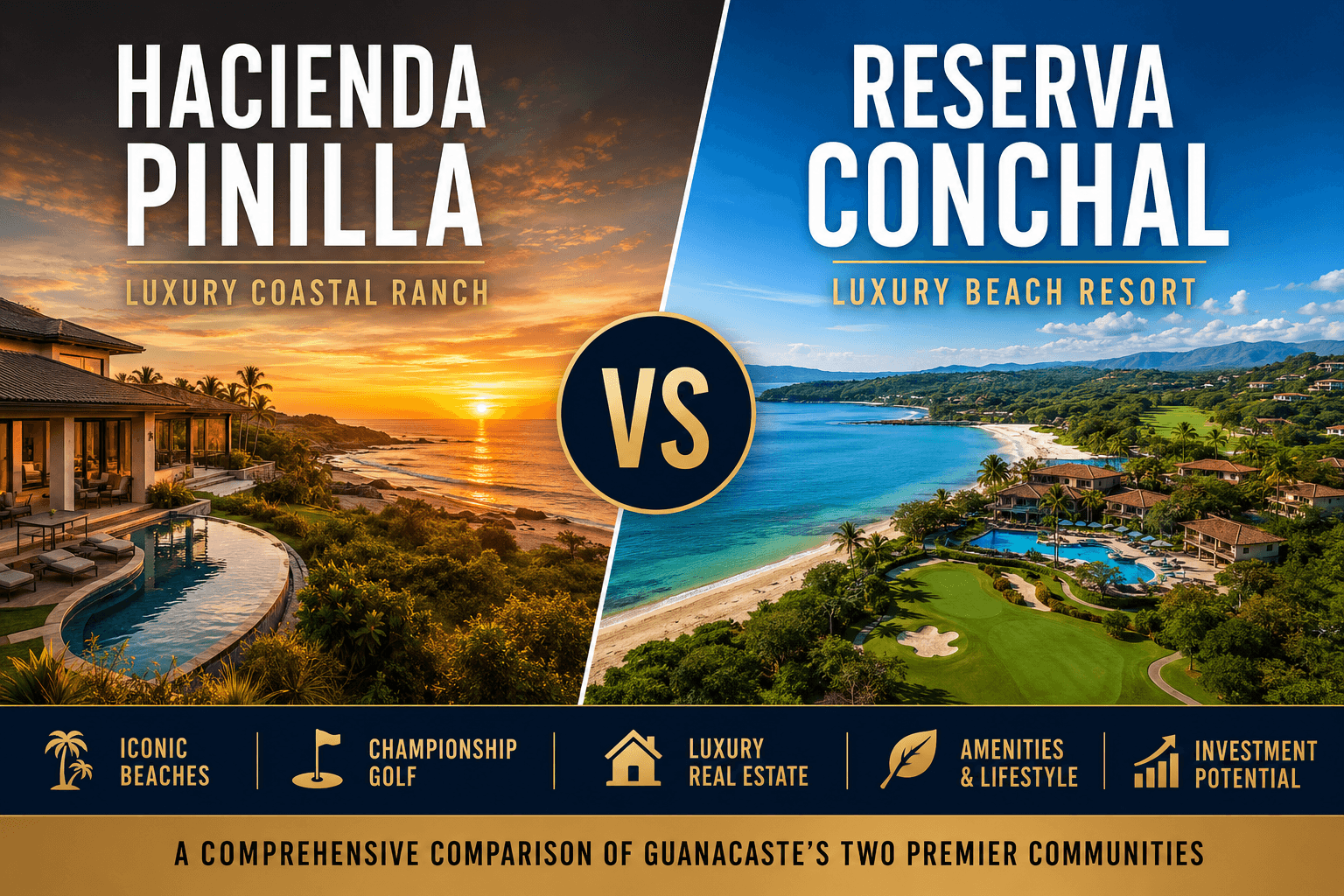
Hacienda Pinilla vs Reserva Conchal
An in-depth comparison of Guanacaste's two premier gated communities, covering beaches, golf, amenities, real estate, lifestyle, and investment potential.
Read Article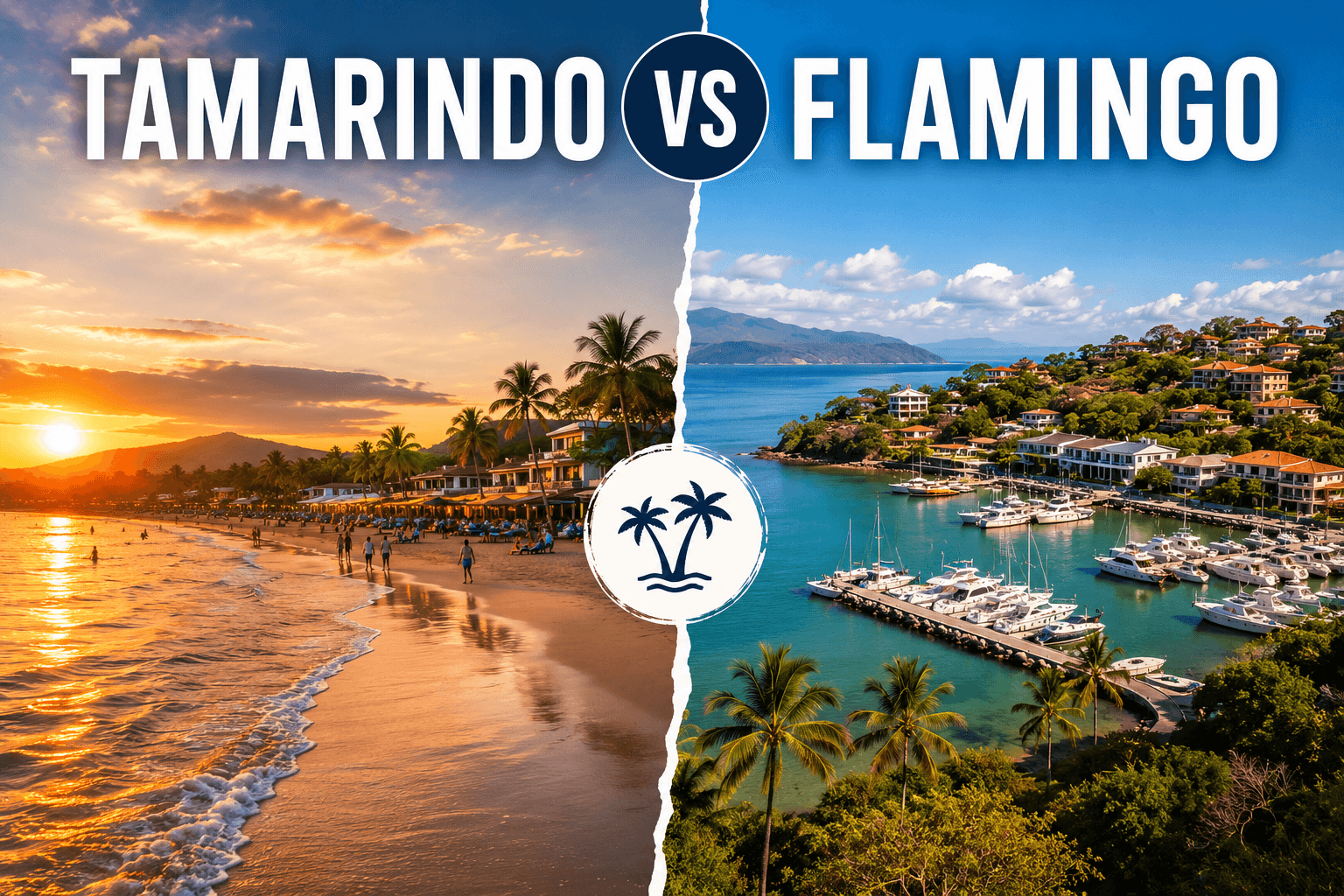
Tamarindo vs Flamingo: Which Costa Rica Beach Town Is Right for You?
Tamarindo and Flamingo are two of Guanacaste’s most popular beach towns, but they offer very different lifestyles. Tamarindo is lively, social, and convenient. Flamingo is quieter, more upscale, and centered around beaches, ocean views, and marina living.
Read ArticleCommunity comparison
Guanacaste Beach Town Comparison
Every beach town in Guanacaste offers a different lifestyle. Before comparing homes, compare the communities. This quick overview highlights the strengths, tradeoffs, and ideal buyer for each of the region's most popular beach towns.
| Town | Lifestyle | Walkability | Family Friendly | Best For |
|---|---|---|---|---|
| Potrero / Surfside | Relaxed, local, practical, beachy | Good in Surfside, more car-dependent outside the center | Strong | Full-time living, families, value near Flamingo |
| Playa Flamingo | Upscale, scenic, marina-focused | Improving, but many homes still require a car | Strong | Ocean views, marina lifestyle, luxury buyers |
| Tamarindo | Busy, social, convenient, surf-oriented | Excellent in town | Good | Restaurants, nightlife, surfing, rental demand |
| Playa Grande | Peaceful, spread out, nature-focused | Limited, usually car-dependent | Strong | Surf, quiet family life, nature |
| Las Catalinas | Designed, polished, walkable, wellness-focused | Excellent within town | Good | Walkable luxury, architecture, car-light living |
| Playas del Coco | Established, practical, active | Good in central areas | Good | Services, airport access, retirees, convenience |
| Playa Langosta | Quiet, upscale, residential | Moderate | Good | Luxury near Tamarindo without the noise |
- Lifestyle
- Relaxed, local, practical, beachy
- Walkability
- Good in Surfside, more car-dependent outside the center
- Family Friendly
- Strong
- Best For
- Full-time living, families, value near Flamingo
- Lifestyle
- Upscale, scenic, marina-focused
- Walkability
- Improving, but many homes still require a car
- Family Friendly
- Strong
- Best For
- Ocean views, marina lifestyle, luxury buyers
- Lifestyle
- Busy, social, convenient, surf-oriented
- Walkability
- Excellent in town
- Family Friendly
- Good
- Best For
- Restaurants, nightlife, surfing, rental demand
- Lifestyle
- Peaceful, spread out, nature-focused
- Walkability
- Limited, usually car-dependent
- Family Friendly
- Strong
- Best For
- Surf, quiet family life, nature
- Lifestyle
- Designed, polished, walkable, wellness-focused
- Walkability
- Excellent within town
- Family Friendly
- Good
- Best For
- Walkable luxury, architecture, car-light living
- Lifestyle
- Established, practical, active
- Walkability
- Good in central areas
- Family Friendly
- Good
- Best For
- Services, airport access, retirees, convenience
- Lifestyle
- Quiet, upscale, residential
- Walkability
- Moderate
- Family Friendly
- Good
- Best For
- Luxury near Tamarindo without the noise
No town is automatically better than the others. The right fit depends on your school commute, budget, walkability needs, rental goals, and how you want an ordinary Tuesday to feel. Before comparing listings, compare the lifestyle.
Take the Beach Town Matchmaker QuizQuestion 1 of 10
What is your main purpose for buying or relocating?
Your reason for being here shapes the right community more than any listing photo.
0% complete
Choose the closest fit. You can go back anytime.
Real estate tips before buying
Buy the life you will actually live.
Guanacaste rewards buyers who slow down, learn the town, and inspect the ordinary details. The right local professionals can protect you from assumptions that vacation emotion tends to blur.
Do not buy only from vacation emotion
A great week at the beach is useful information, but it is not due diligence. Visit at different times, drive the roads, listen at night, and test ordinary routines.
Understand access before you fall in love
Road condition, drainage, parking, school routes, grocery runs, and rainy season access can change how a beautiful property feels after month three.
Check zoning, title, and expectations
Use qualified local professionals to review title, survey, zoning, concessions when relevant, HOA rules, permits, and rental restrictions.
Know the town personality
Tamarindo, Langosta, Flamingo, Potrero, Coco, Grande, and Las Catalinas solve different problems. The right town matters as much as the right house.
Rainy season truth
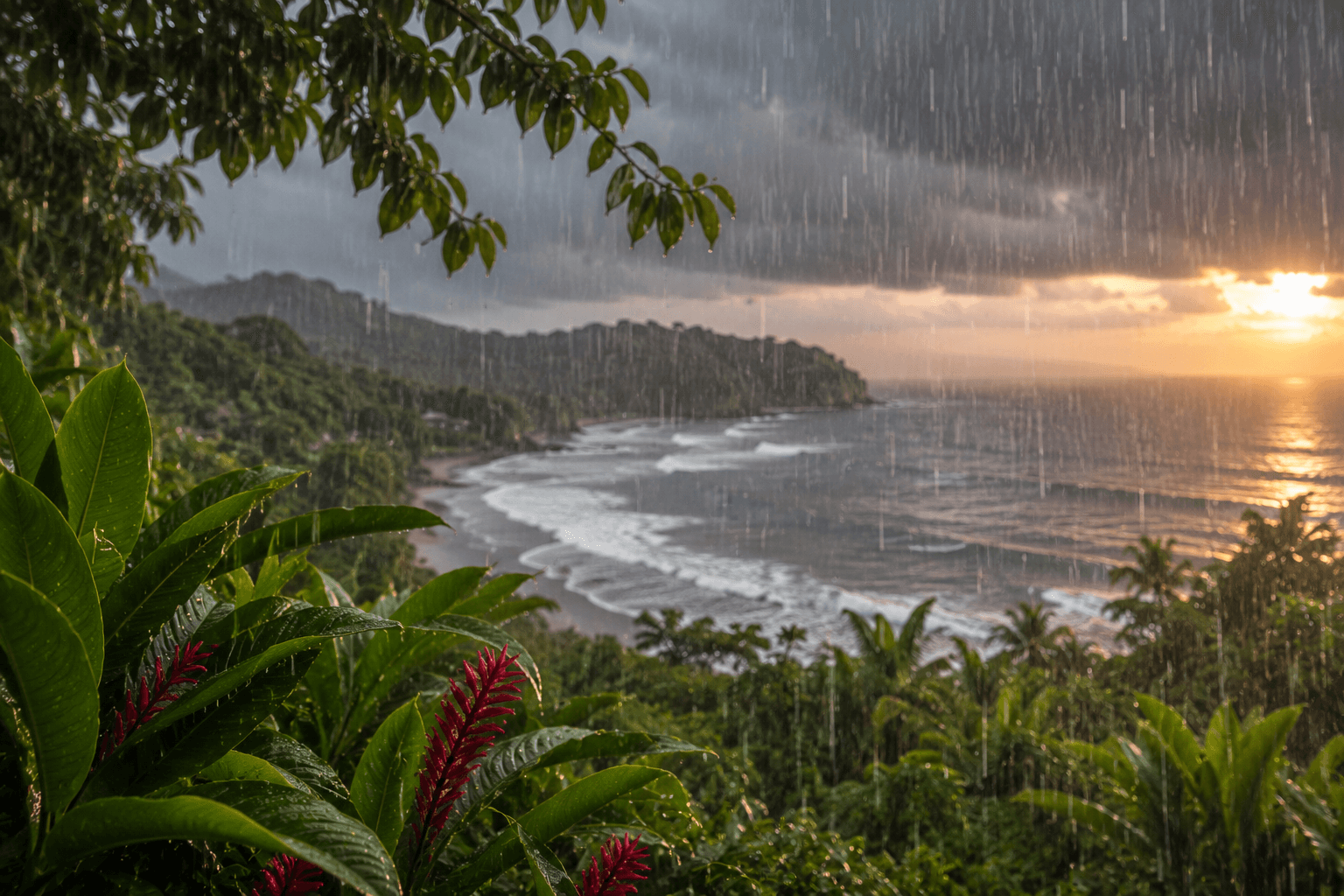
Green season is beautiful, and it reveals the property.
Rainy season brings lush hillsides, dramatic light, quieter beaches, and some of the most beautiful months of the year. It also reveals road quality, drainage, humidity, mold prevention needs, roof details, driveway slope, and how a neighborhood handles heavy water.
Buyers should visit during rainy season when possible. Dry-season photos can hide practical issues that affect daily life, maintenance, rentals, and resale confidence.
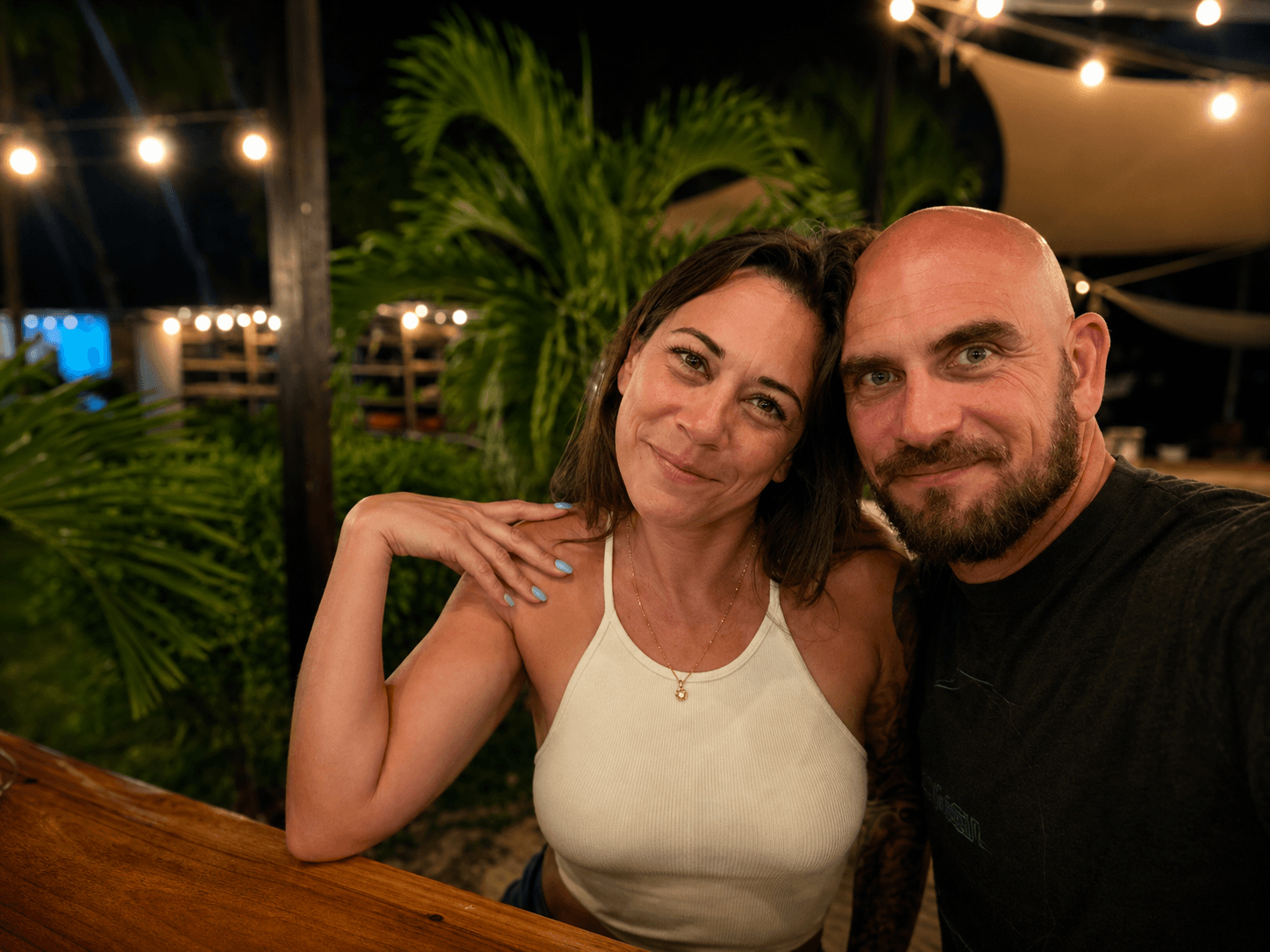
Why Trust All In Guanacaste?
Real advice from people who actually made the move.
All In Guanacaste wasn't built from vacation brochures or internet research.
It's built from living here.
After moving from Canada to Costa Rica ourselves, we quickly realized that the biggest relocation decisions rarely have anything to do with finding a beautiful house. They involve choosing the right community, understanding schools, navigating residency, accessing healthcare, adapting to the rainy season, building meaningful relationships, and creating a lifestyle that still feels right years after the move.
Today, as permanent residents, local business owners, real estate professionals, and hosts of the Breakthrough to Costa Rica Podcast, we've helped many Canadians and Americans navigate that same journey. Every article, podcast episode, relocation guide, and community profile on this website is based on firsthand experience and designed to help you make informed decisions with confidence.
Local Real Estate Expertise
Helping buyers understand Costa Rica's buying process, neighbourhoods, due diligence, financing options, and how to choose the right property for their lifestyle instead of simply selling houses.
Permanent Residents
We've personally navigated residency, healthcare, banking, vehicle ownership, schools, utilities, and the everyday realities of building a full-time life in Costa Rica.
Local Business Owners
Having owned and operated multiple businesses in Guanacaste has allowed us to build strong relationships throughout the community. That firsthand experience gives us a practical understanding of daily life, local services, the local economy, and the realities of living in Costa Rica that extends well beyond real estate.
Breakthrough to Costa Rica Podcast
Our podcast shares honest conversations about relocating to Costa Rica, choosing the right beach town, buying property, avoiding common mistakes, and building a successful life in Guanacaste.
"Our goal isn't simply to help you buy property. It's to help you make the right move."
— Rob & Jen
Serving Canadians, Americans, families, retirees, investors, and remote workers moving to Costa Rica's Gold Coast.
Moving to Guanacaste FAQ
These are the questions many Canadians, Americans, families, retirees, remote workers, and lifestyle buyers ask before relocating to Guanacaste.
Is Guanacaste a good place to live?
Guanacaste can be an excellent place to live for people who want warm weather, beach access, outdoor routines, international community, and a slower pace. The best fit depends on choosing the right town, understanding daily logistics, and being realistic about schools, healthcare, transportation, and infrastructure.
Why are Canadians and Americans moving to Guanacaste?
Many Canadians and Americans are drawn to Guanacaste for the warm climate, outdoor lifestyle, beach towns, private healthcare, international schools, remote work possibilities, and a more relaxed daily rhythm. The lifestyle can be very rewarding, but it works best when the move is planned around real routines, not just vacation emotion.
What are the best towns in Guanacaste for expats?
Popular expat towns include Playa Potrero, Surfside, Playa Flamingo, Tamarindo, Playa Grande, Las Catalinas, Playa Langosta, and Playas del Coco. Each town offers a different mix of walkability, services, beach access, community, rental demand, and price points.
What is the best Guanacaste town for families?
There is no single best town for every family. Tamarindo, Playa Grande, Potrero, Surfside, Flamingo, Las Catalinas, and Playas del Coco can all work depending on school choice, commute tolerance, sports, activities, budget, and where your children’s friends are likely to live.
Is Guanacaste good for retirees?
Yes, Guanacaste can be a strong fit for retirees who want warm weather, beach access, services, private healthcare, social community, and a slower pace. Retirees should pay close attention to medical access, driving comfort, walkability, home maintenance, and proximity to groceries and services.
Is Guanacaste safe?
Many people feel comfortable living in Guanacaste, but normal precautions still matter. Petty theft, unlocked vehicles, unattended belongings, and home security should be taken seriously. Choosing the right neighborhood, using common-sense routines, and understanding local conditions are important.
Can foreigners buy property in Costa Rica?
Yes. Foreigners can generally buy titled property in Costa Rica with the same ownership rights as citizens. Buyers should still use a qualified attorney, confirm title, review survey plans, understand concession-zone issues when relevant, and complete proper due diligence.
Do I need residency to buy property in Costa Rica?
No. Residency is not usually required to buy property in Costa Rica. Buying property, immigration status, banking, taxes, and how long you can stay in the country are separate issues that should be reviewed with qualified professionals.
Should I rent before buying in Guanacaste?
For many people, renting first is wise. Renting allows you to test the town, school commute, road access, noise, internet, rainy season conditions, and daily rhythm before committing to a purchase. Some buyers still purchase right away when they have strong local guidance and a clear lifestyle fit.
What should buyers check before buying property in Guanacaste?
Buyers should review title, survey, zoning, permits, HOA rules, rental restrictions, concession-zone status when applicable, road access, drainage, water, internet, electrical systems, septic, insurance, and realistic maintenance costs.
Is real estate in Guanacaste expensive?
Guanacaste has a wide range of pricing. Beach proximity, ocean views, walkability, gated communities, rental potential, finishes, road access, and town choice can dramatically affect price. Some areas feel premium, while others offer better value for full-time living.
Can I finance a property in Costa Rica?
Financing is possible, but it is not always as simple as in Canada or the United States. Many purchases are cash, while some involve local bank financing, developer financing, private lending, or seller financing. Buyers should understand terms clearly before relying on financing.
What are closing costs in Costa Rica?
Closing costs vary depending on the transaction structure, legal fees, transfer taxes, stamps, escrow, due diligence, and whether a corporation is involved. Buyers should get a clear estimate from their attorney before making an offer.
What is the cost of living in Guanacaste?
Cost of living depends heavily on housing, school choice, vehicle costs, imported groceries, air conditioning, restaurants, insurance, healthcare, and travel habits. Costa Rica is not automatically cheap, but many people find value in the lifestyle when they adjust their expectations and habits.
Are groceries expensive in Guanacaste?
Groceries can feel expensive when you rely heavily on imported brands, specialty foods, or North American shopping habits. Local produce, fish, rice, beans, seasonal items, and farmers markets can help reduce costs.
Do I need a car in Guanacaste?
Most full-time residents need a car, especially families. Some areas of Tamarindo, Surfside, Las Catalinas, and Playas del Coco offer better walkability, but school runs, groceries, medical appointments, beach hopping, and rainy season logistics are usually easier with a vehicle.
Is healthcare good in Guanacaste?
Private healthcare in Guanacaste is accessible for many everyday needs, and larger hospitals and specialists are available in Liberia and San José. Many residents use a mix of private care, insurance, and public system access depending on their residency and personal situation.
Are there good schools in Guanacaste?
Yes, there are private and international school options in the region. School choice is one of the most important decisions for families because commute, schedule, friends, sports, and after-school activities can shape daily life.
Can I work remotely from Guanacaste?
Yes, many people work remotely from Guanacaste. Internet quality varies by town, provider, building, and property, so remote workers should test the connection, ask about outages, and have backup options such as mobile data or a second provider.
What is rainy season like in Guanacaste?
Rainy season, often called green season, usually brings greener landscapes, dramatic skies, humidity, afternoon storms, and occasional road or drainage issues. It is beautiful, but it also reveals how a property and neighborhood really function.
Is Guanacaste humid?
Yes, Guanacaste can be humid, especially during green season. Home design, ventilation, air conditioning, storage habits, mold prevention, and maintenance routines all matter.
Can I bring my dog or cat to Costa Rica?
Many people bring pets to Costa Rica, but the process requires planning. Requirements can include veterinary paperwork, health certificates, vaccines, timing rules, airline policies, and import documentation.
How long can I stay in Costa Rica without residency?
Length-of-stay rules can change and may depend on nationality and immigration policy at the time you enter. Before planning a long stay, confirm the current rules with official sources or a qualified immigration professional.
What are the biggest mistakes people make when moving to Guanacaste?
Common mistakes include choosing a town based only on vacation memories, underestimating school commute, ignoring rainy season access, assuming Costa Rica is automatically cheap, buying too quickly, skipping due diligence, and not building a realistic daily routine.
How do I choose the right Guanacaste beach town?
Start with lifestyle before listings. Consider school commute, budget, walkability, medical access, restaurants, community, road access, rental goals, and how you want an ordinary Tuesday to feel. The right town matters as much as the right property.
Related content
Continue Your Costa Rica Journey
Relocation
Why More Canadians and Americans Are Moving to Costa Rica
The lifestyle, climate, healthcare, community, and practical reasons behind the move.
Explore this topicBuyer Guide
Buying Property in Costa Rica: What Canadians and Americans Need to Know
A clear guide to ownership, escrow, due diligence, closing costs, corporations, taxes, and financing.
Explore this topicResidency
Permanent Residency in Costa Rica
A real-world guide to documents, temporary residency, CAJA, renewals, and permanent residency.
Explore this topicResidency
Understanding Costa Rica Residency
What future residents should know about investor residency, documents, and the application process.
Explore this topic