
Buying Property in Costa Rica: What Canadians and Americans Need to Know
When my family and I moved to Costa Rica, I had already spent years in real estate in Canada.
I assumed buying property here would be completely different.
In reality?
It's far more familiar than most people expect.
Today I'm a permanent resident of Costa Rica and a Realtor with Gold Coast Realty in Guanacaste. I've helped Canadians and Americans navigate the buying process, and one thing surprises almost everyone:
Buying property in Costa Rica is not nearly as complicated as the internet makes it sound.
That doesn't mean you should go in blind.
But if you work with the right professionals and understand the process, purchasing property here can be straightforward, secure, and even enjoyable.
Here's what you need to know.
First Things First: Yes, Foreigners Can Own Property
Let's clear up the biggest misconception right away.
You do not need residency to buy property in Costa Rica.
You do not need citizenship.
You do not need a local partner.
Canadians and Americans have the same ownership rights as Costa Rican citizens on most titled property.
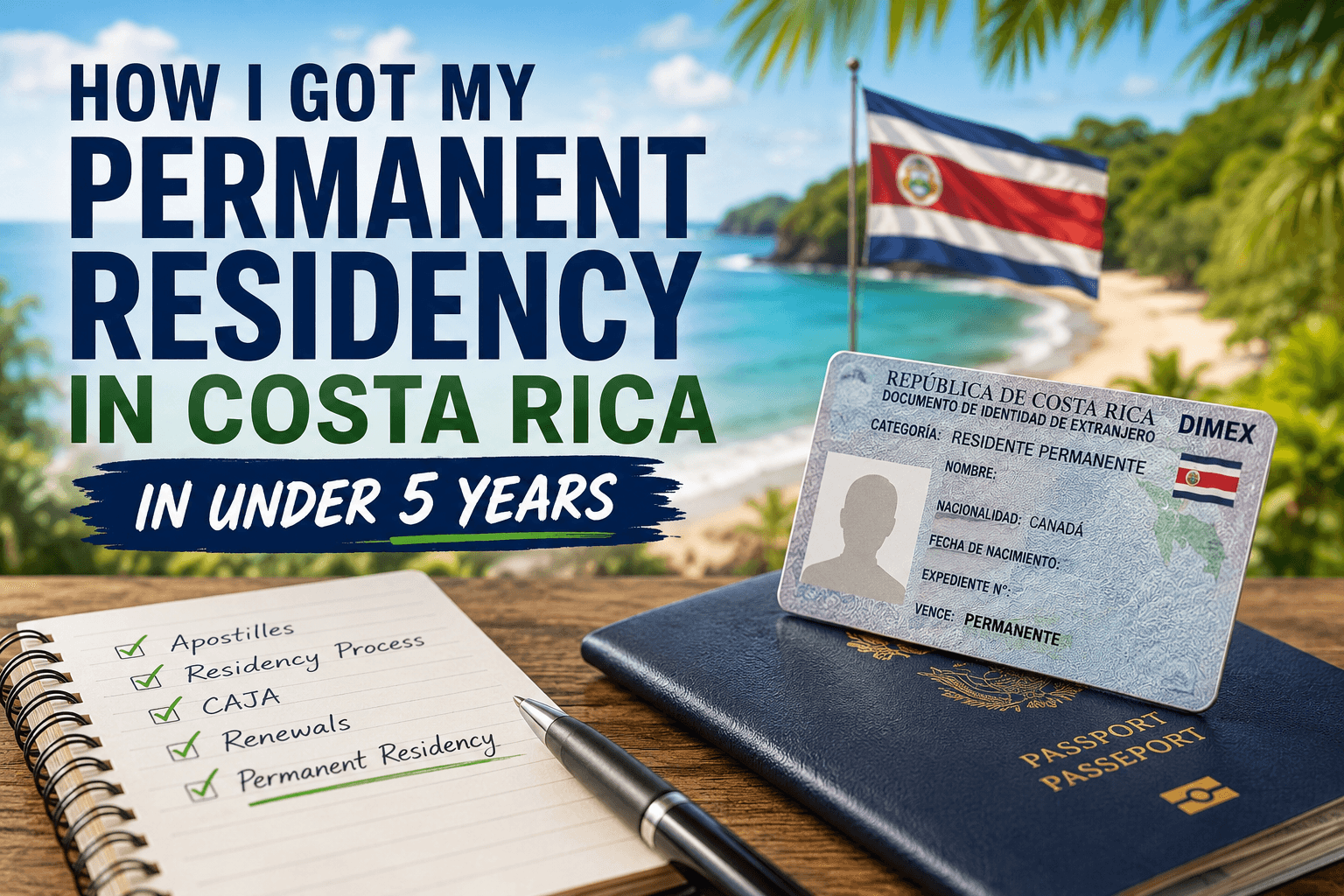
In fact, many people purchase their home years before obtaining residency.
Step 1: Find the Right Property
This sounds obvious, but it's where many buyers make their first mistake.
People often fly down for one week, fall in love with the first community they visit, and make a rushed decision.
Costa Rica has dramatically different lifestyles depending on where you buy.
Living in Tamarindo feels completely different than living in Playa Potrero.
Flamingo feels different than Playa Grande.
Even communities that are only ten minutes apart can attract very different buyers.
The right property starts with choosing the right lifestyle.
Step 2: Make an Offer
The offer process will feel very familiar to Canadians.
Your Realtor prepares an Offer to Purchase outlining:
- Purchase price
- Deposit amount
- Closing date
- Due diligence period
- Conditions and special clauses
The buyer and seller negotiate until both parties agree on terms.
No surprises.
No dramatic Hollywood-style negotiations.
Just a normal real estate transaction.
Step 3: Deposit Into Escrow
Once an agreement is reached, buyers typically place a deposit into an independent escrow account.
The deposit is often 10% of the purchase price and is usually due within about 10 calendar days.
The escrow company acts as a neutral third party, protecting both buyer and seller throughout the transaction.
This is one of the reasons Costa Rica transactions are generally very secure.
Step 4: Due Diligence
This is where your lawyer earns their money.
A qualified Costa Rican real estate attorney will investigate:
- Ownership history
- Property title
- Existing liens
- Property taxes
- Water availability
- Municipal restrictions
- Zoning
- Easements
- Corporate ownership structures
This period protects the buyer.
If significant issues are discovered, you can typically withdraw from the transaction and recover your deposit.
For many buyers, this is the moment they realize how professional the process actually is.
Step 5: Decide Whether a Corporation Makes Sense
Many foreign buyers choose to purchase through a Costa Rican corporation.
This isn't mandatory.
Some people buy personally.
Others buy through a corporation because it can simplify future ownership, asset management, and resale.
Your attorney can explain the pros and cons based on your specific situation.
Step 6: Closing Day
Unlike Canada, there usually isn't a room full of people signing stacks of paperwork.
Most closings are coordinated between the attorneys, escrow company, buyer, and seller.
Funds are transferred.
Documents are registered.
Ownership changes hands.
And just like that, you're a property owner in Costa Rica.
What About Financing?
Most purchases in Costa Rica are still cash transactions.
That surprises many Canadians.
The good news is that seller financing, often called Vendor Take Back financing, is relatively common.
We're also seeing more private lenders and international lending options become available.
The challenge isn't finding financing.
The challenge is finding financing that makes financial sense.
Every situation is different.
What Will Closing Costs Be?
As a general rule, buyers should budget approximately 4.5% of the purchase price for closing costs.
These costs typically include:
- Legal fees
- Escrow fees
- Transfer taxes
- Registration fees
- Government stamps
- Title searches
Unlike many Canadian transactions, buyers often cover the majority of these costs, although everything remains negotiable.
Property Taxes Are Shockingly Low
One of the biggest surprises for Canadian homeowners is annual property tax.
Costa Rica's property tax rate is only 0.25% of the registered property value.
Many of my clients spend less on annual property taxes here than they did on a single monthly tax payment back home.
The Biggest Mistake I See Buyers Make
The biggest mistake isn't choosing the wrong house.
It's choosing the wrong town.
People spend months researching floor plans, rental income, and property values.
Then spend five minutes deciding where they actually want to live.
The community matters more than the countertops.
The beach matters more than the backsplash.
The lifestyle matters more than the lot size.
That's why I spend so much time helping buyers understand the different areas of Guanacaste before we ever start looking at properties.
Frequently Asked Questions About Buying Property in Costa Rica
Can Americans buy property in Costa Rica?
Yes. Americans can purchase most titled property in Costa Rica without becoming citizens or legal residents first. Foreign buyers generally have the same ownership rights as Costa Rican citizens for titled property. The important part is having a qualified Costa Rican real estate attorney complete proper due diligence before closing.
Can Canadians buy property in Costa Rica?
Yes. Canadians can purchase titled property in Costa Rica without Costa Rican citizenship or residency. Many Canadians buy homes, condos, land, and investment properties here before beginning the residency process.
Do I need residency to buy a house in Costa Rica?
No. Residency and property ownership are separate. You can purchase property in Costa Rica as a foreigner without first obtaining temporary or permanent residency.
Can foreigners get financing to buy property in Costa Rica?
Yes, but financing works differently than it does in Canada or the United States. Many purchases are still completed with cash, but private financing, international lending, and seller financing are available in some transactions.
Seller financing, also known as Vendor Take-Back financing, is something we personally used when purchasing our own home in Costa Rica, so we have firsthand experience with how the process works.
How does escrow work when buying property in Costa Rica?
After an offer is accepted, the buyer will typically deposit funds into an independent escrow account. The escrow company acts as a neutral third party and coordinates the transfer of funds according to the terms of the transaction.
A deposit of approximately 10% of the purchase price is common, although the exact amount and timing can be negotiated.
How much are closing costs when buying property in Costa Rica?
A general guideline is to budget approximately 4.5% of the purchase price for buyer closing costs.
These can include legal fees, escrow costs, transfer taxes, registration fees, government stamps, and title-related expenses.
Actual costs can vary depending on the property and transaction structure.
Should I buy property personally or through a Costa Rican corporation?
There is no single answer that works for every buyer.
Some foreign buyers purchase property personally, while others use a Costa Rican corporation such as an SRL.
Your attorney should explain the advantages, disadvantages, ongoing obligations, and costs of each structure based on how you intend to own and use the property.
Can I buy property in Costa Rica remotely?
Yes. Remote purchases are possible and happen regularly.
Documents, escrow, legal review, and closing arrangements can often be coordinated without the buyer being physically present for every step.
However, whenever possible, we encourage buyers to spend time in the communities they are considering before making a final decision.
How long does it take to buy property in Costa Rica?
The timeline varies depending on the transaction, due diligence requirements, financing, and closing terms negotiated between the buyer and seller.
A straightforward resale transaction can often be completed within several weeks, while transactions involving financing, corporations, construction, or more complicated due diligence may take longer.
Is buying real estate in Costa Rica safe?
It can be a very secure process when the transaction is handled properly.
The key is working with an experienced real estate professional, an independent Costa Rican attorney, a reputable escrow company, and completing full due diligence before closing.
Buyers should never skip legal review simply because a property or seller appears trustworthy.
Final Thoughts
Buying property in Costa Rica isn't complicated.
It's simply different.
With the right Realtor, a good attorney, and a proper due diligence process, the experience is often much smoother than buyers expect.
My family made the move ourselves.
We've gone through residency.
We've navigated the learning curve.
And today I help other families do the same.
If you're considering buying property in Costa Rica and want an honest conversation about the process, the communities, and what life here is really like, I'd be happy to help.
Sometimes a 15-minute conversation can save months of uncertainty.